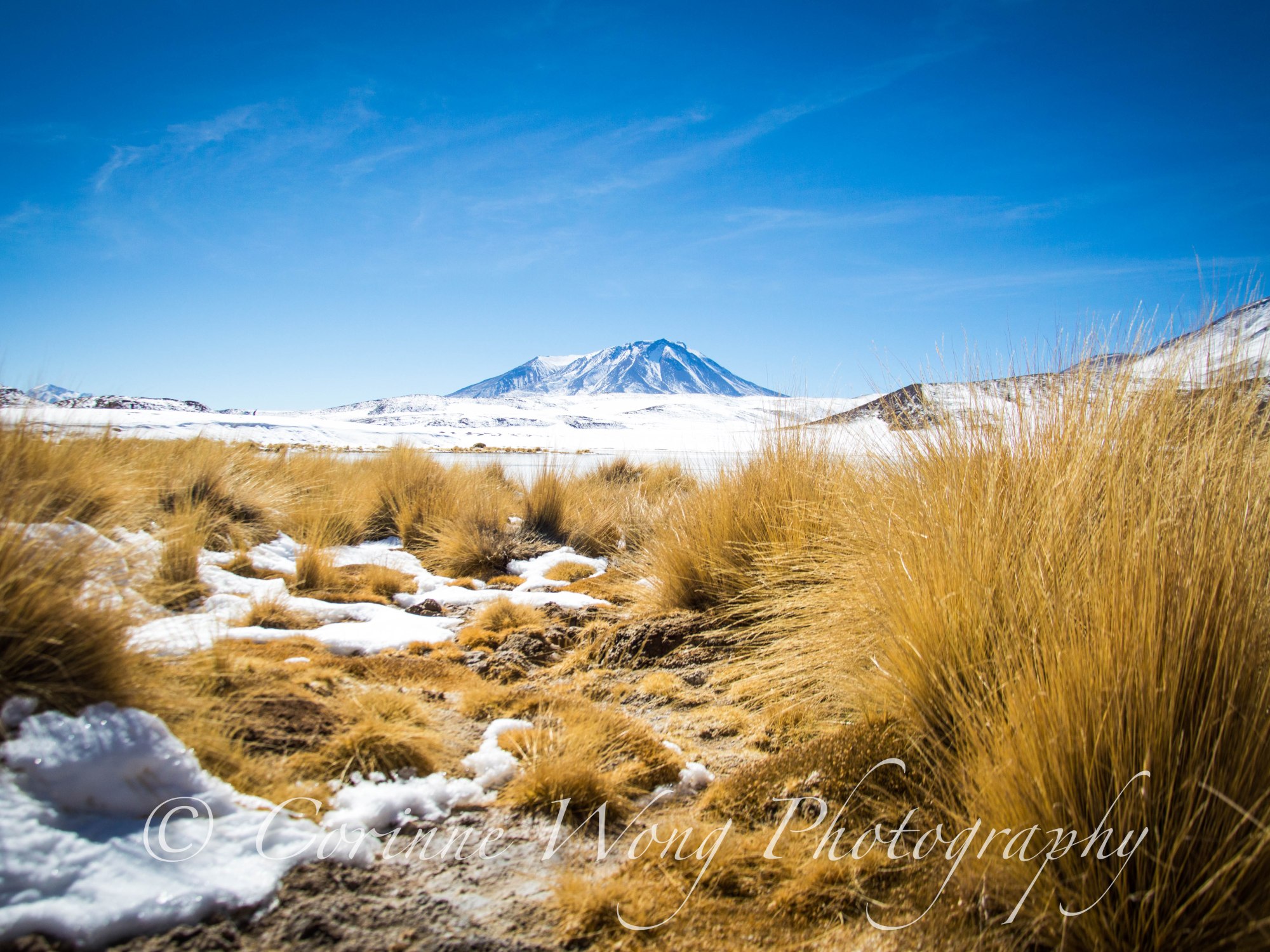
Uyuni Salt Flats and La Paz
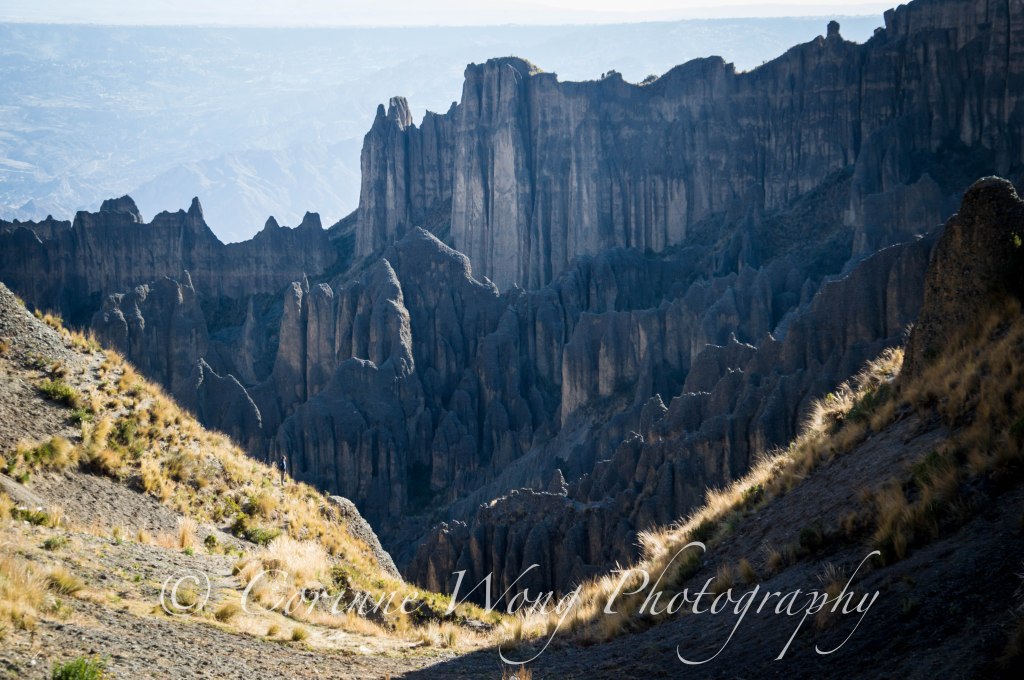
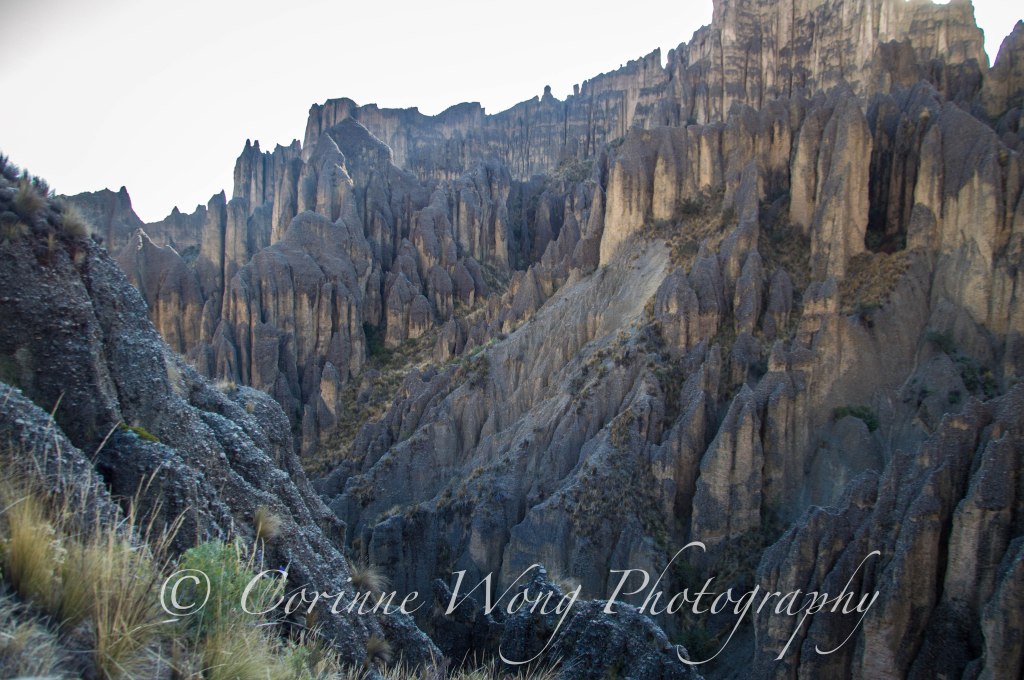
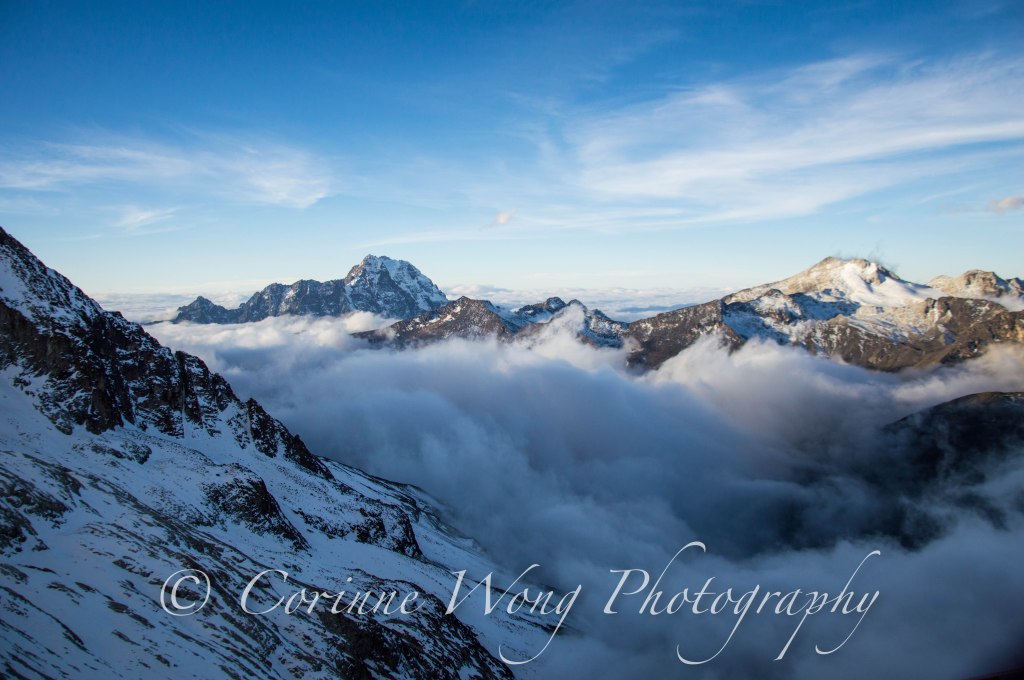
TL;DR: One of the coldest countries I’ve ever visited, but also home to incredible hikes and some of the most breathtaking scenery I’ve seen. After the salt flats tour, I took an overnight bus to La Paz, where I attempted (but failed) to summit Huayna Potosí (6,088 m), survived biking the Death Road, and hiked Valle de las Ánimas. Bolivia is full of deep traditions, and its political climate is intense. The president at the time absolutely despised the U.S.—not surprising, considering former President Goni (a U.S. citizen) damaged the Bolivian economy. Now, everyone hates the current president (as of 2018). Protests in La Paz are common, and people can even be buried under buildings. A very fascinating country.
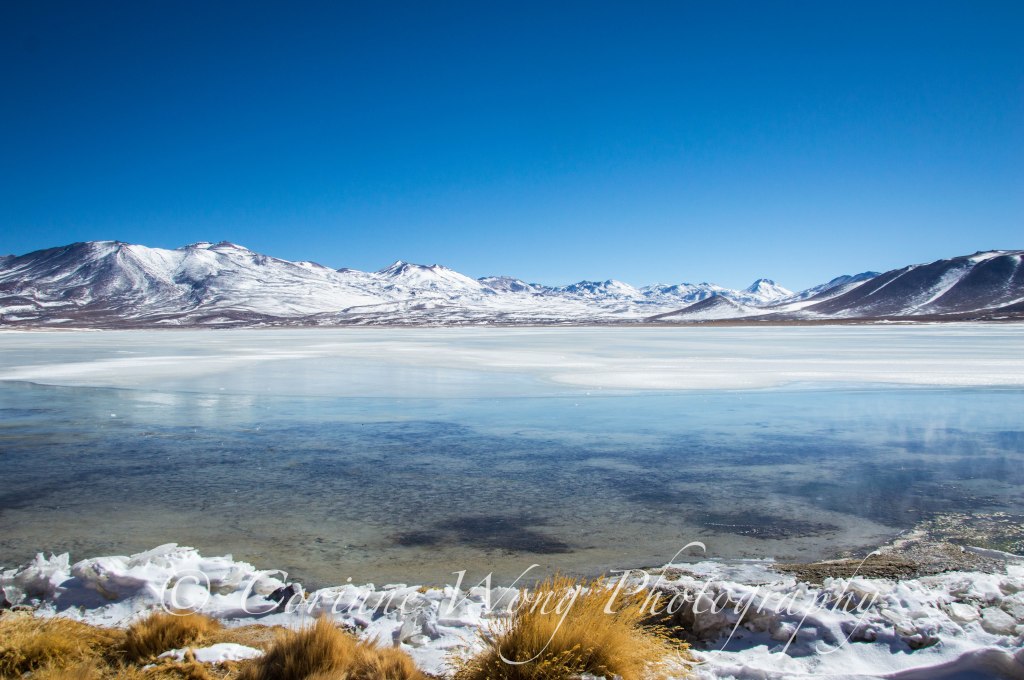
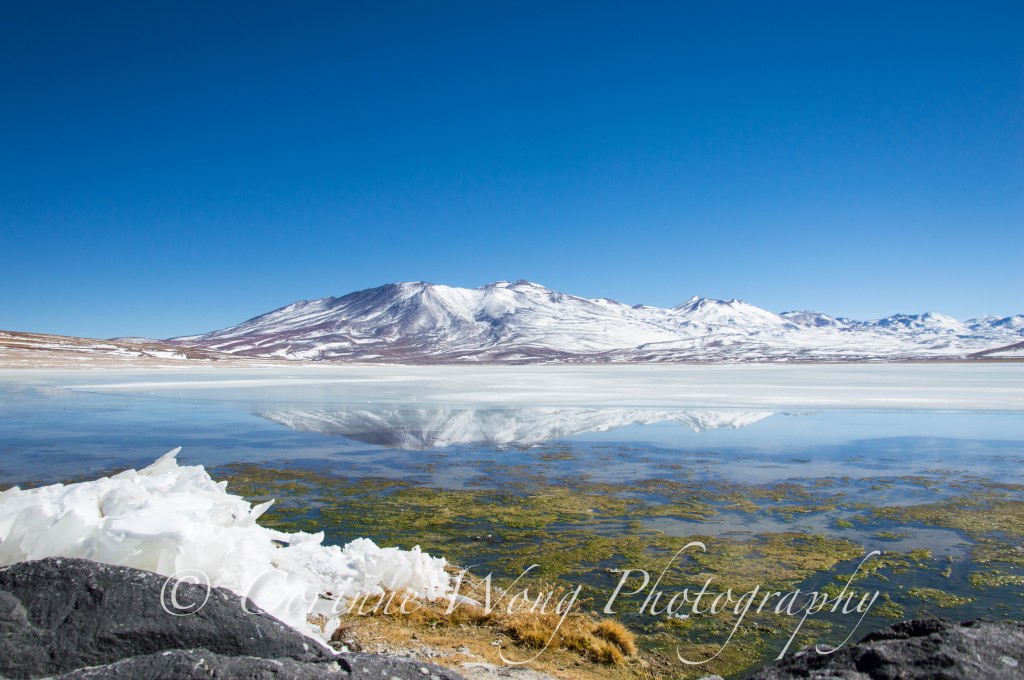
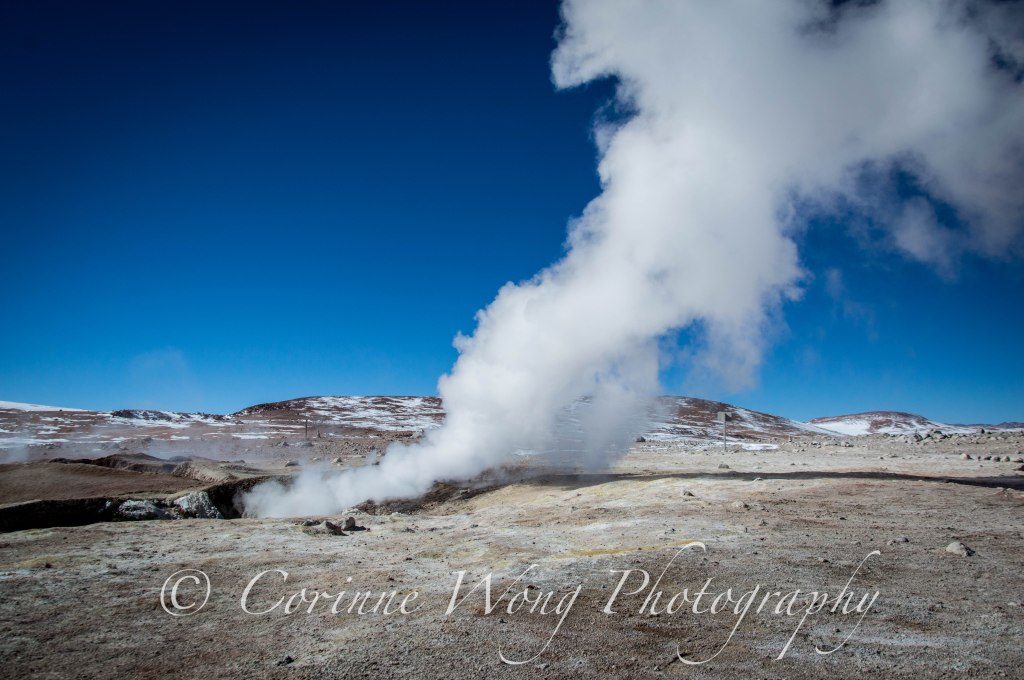
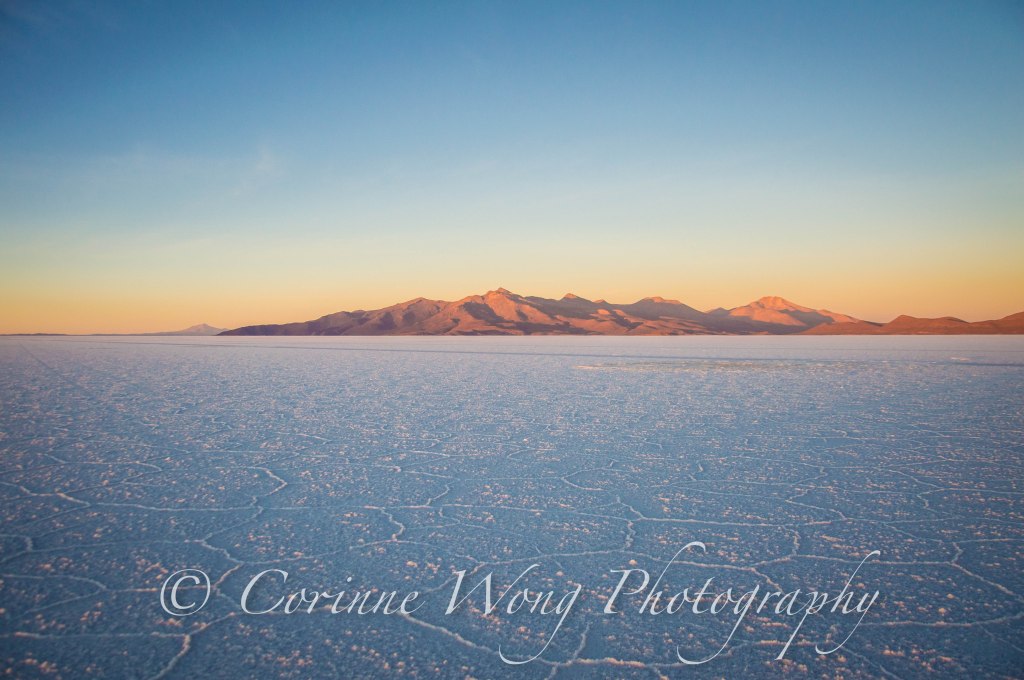
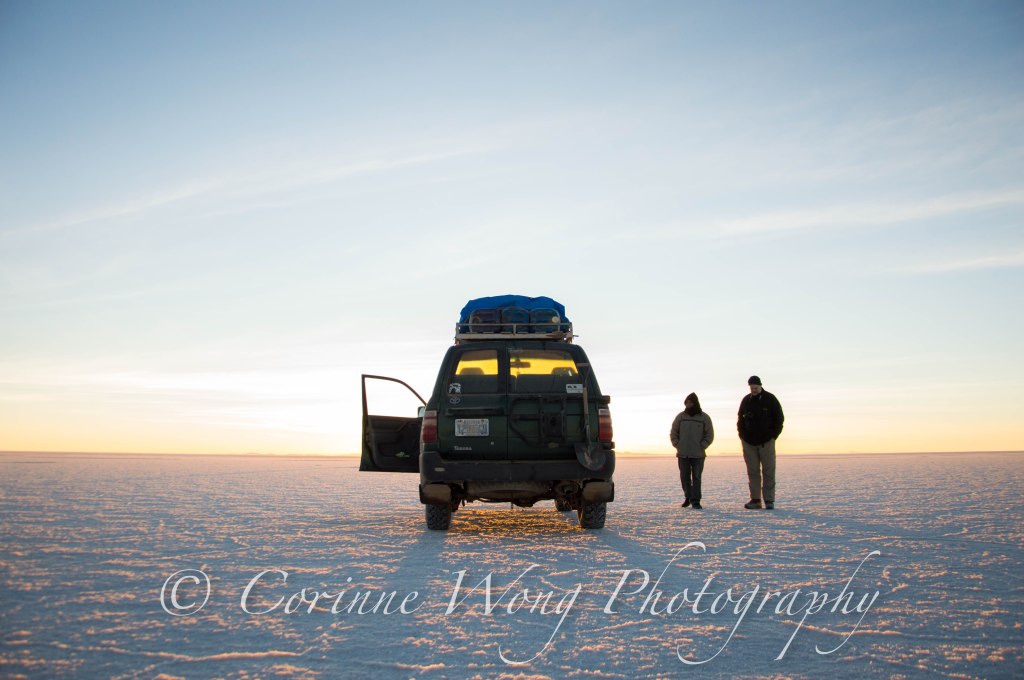
Quick recommendation: Do the Salt Flat tour from Atacama desert to Bolivia – nature lovers, you won’t regret it!
Read more below!
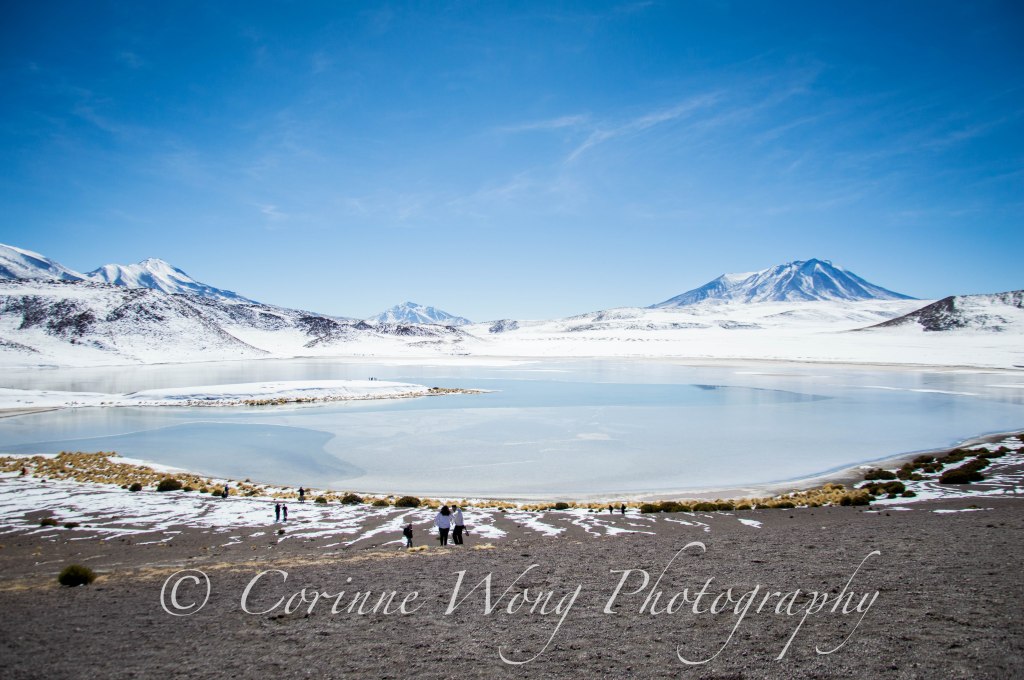
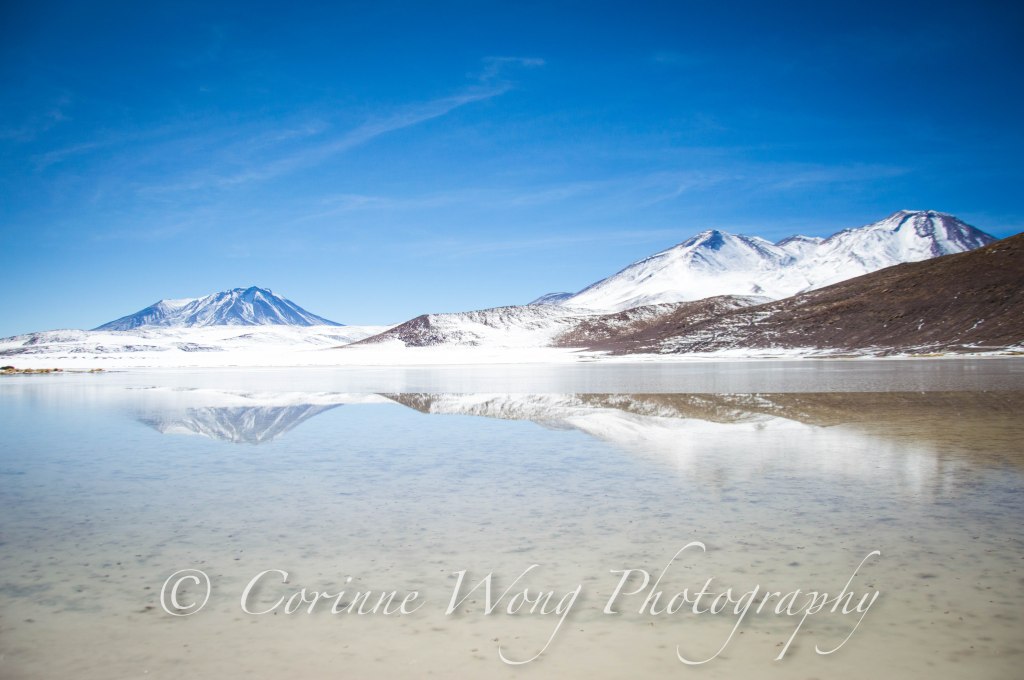
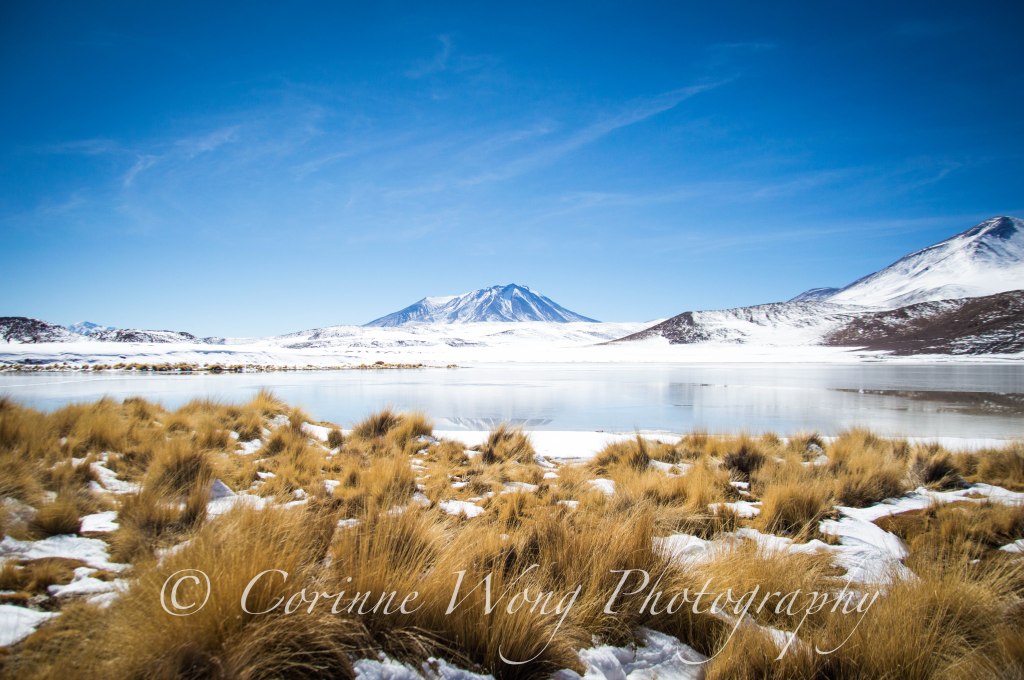
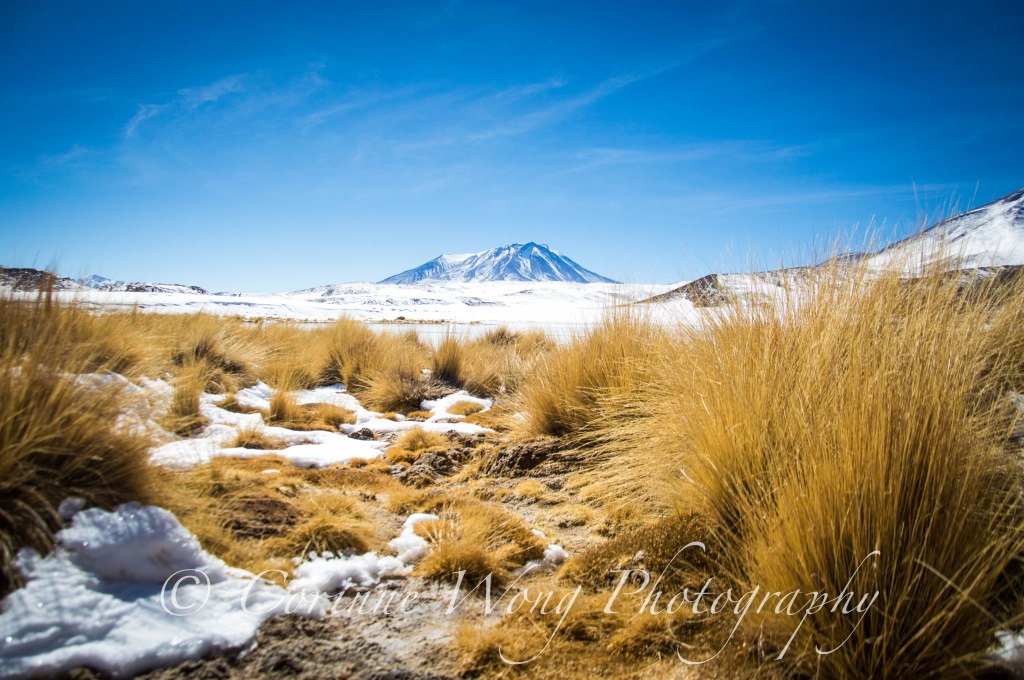
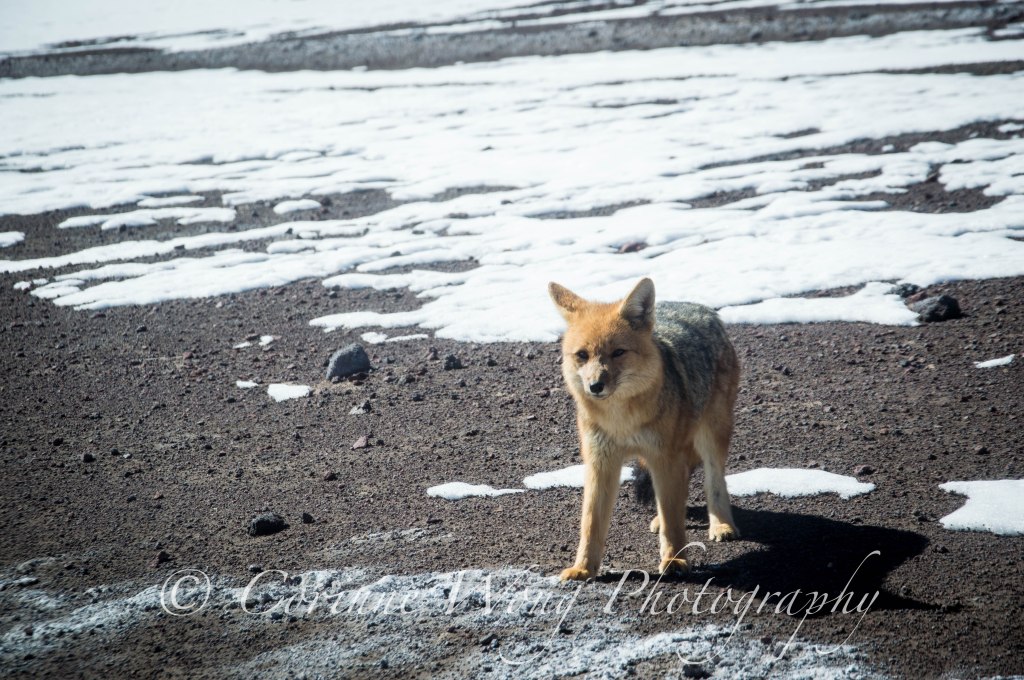
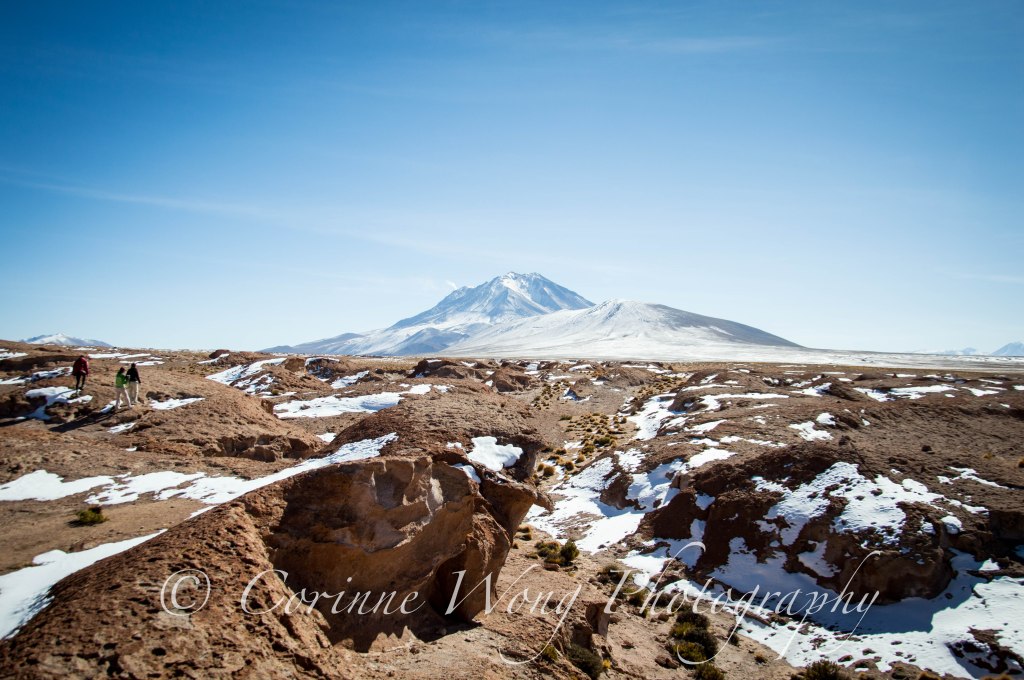
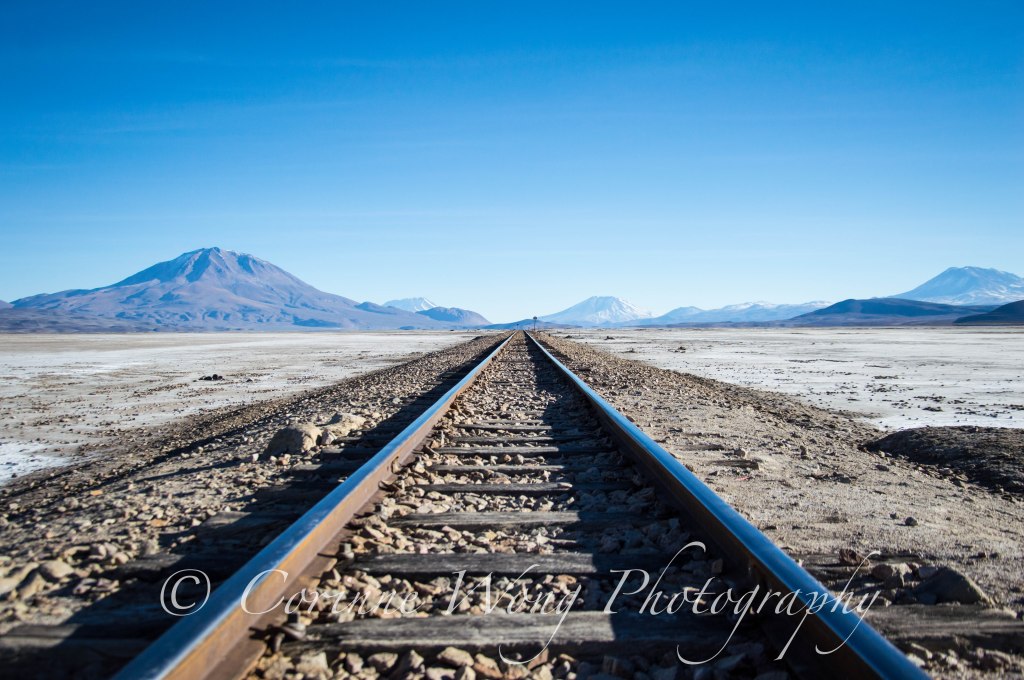
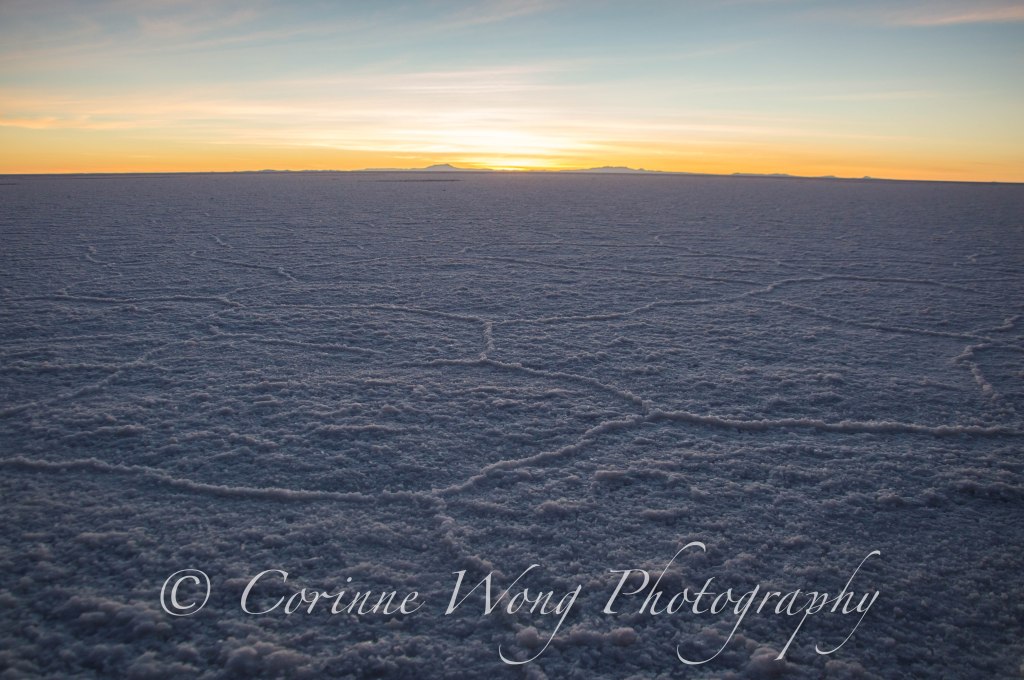
Bolivia — a country full of mystery and constant protest.
I say “mystery” because many of its traditions aren’t visible to tourists, yet they shape daily life in profound ways. But first, an overview of Bolivia’s relationship with the U.S.—because it explains a lot about the tension you feel in the country today.
Like many Latin American nations, Bolivia experienced a wave of military coups in the 1960s, following cycles of political instability, reform efforts, and economic crises. Coups continued for decades, inflation skyrocketed, and political power shifted frequently. Fast-forward through the long, complicated history to 2002: an American-Bolivian multimillionaire, Gonzalo “Goni” Sánchez de Lozada, runs for president. He even hires an American political consulting firm to orchestrate his campaign—and he wins.
Once in office, he pushes to privatize Bolivia’s natural gas reserves in order to expand trade with the U.S. The plan promised wealth for the elite while leaving the majority Indigenous population behind. Protests erupted across La Paz and beyond, with organizations and communities mobilizing against his pro-U.S., free-market policies. Violent clashes between protesters and the military led to dozens of deaths and, ultimately, Goni’s resignation. (Documentary rec: Our Brand Is Crisis.)


After resigning, he allegedly went to the National Bank, took a massive amount of government funds, and fled to the United States—where he remains.
The opposition leader who emerged from these protests? Evo Morales. He became Bolivia’s first Indigenous president and was initially celebrated as a hero—someone who represented the people and the identity of the country. But over time, corruption accusations grew. Morales attempted to change the constitution to allow himself a fourth term. His first term “didn’t count” because it took place before the 2009 constitution, so he claimed he was technically running for a third. Still, it didn’t sit well with many Bolivians.
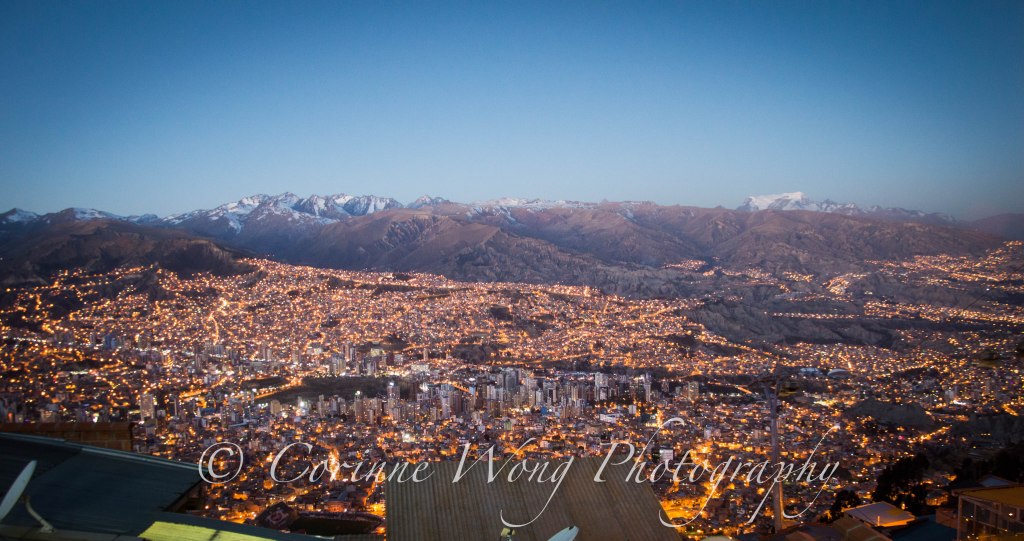

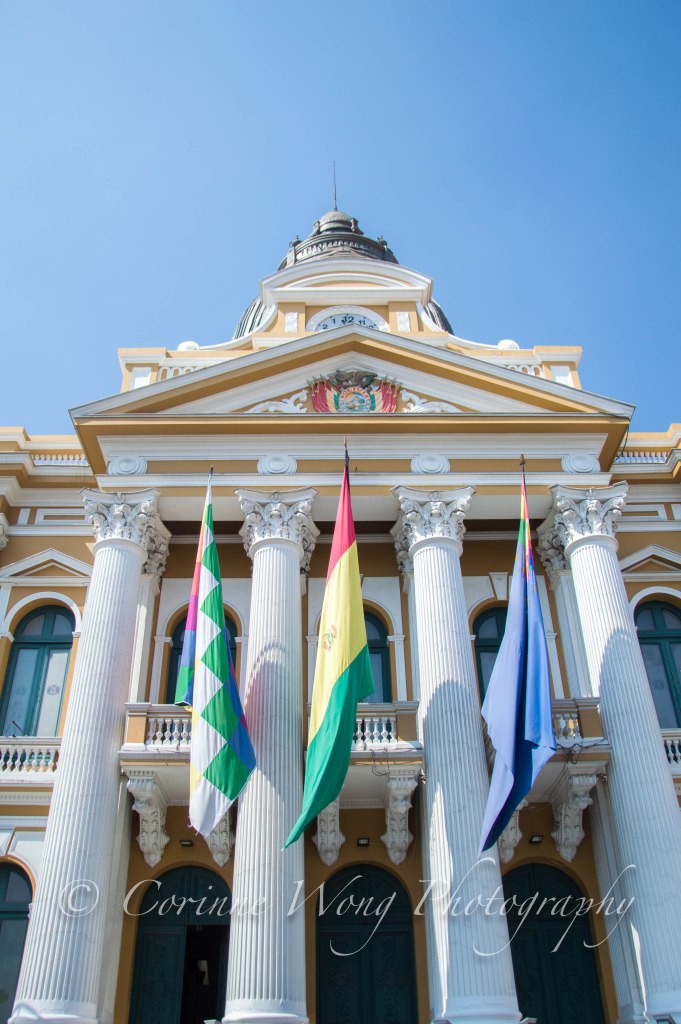
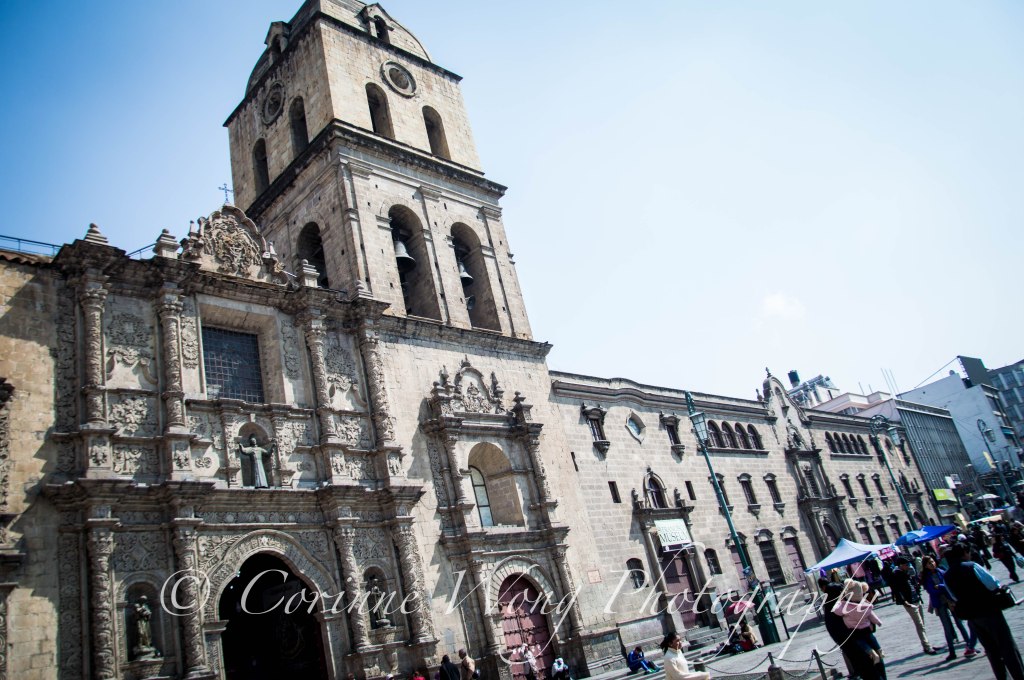
He also built a $34 million high-rise in the capital for himself—complete with a jacuzzi, sauna, gym, and massage room—which critics argue should have gone to public education. Some of his proposals revealed… questionable reasoning. For example, to preserve traditional large families, he once suggested banning condoms and taxing childless women over 18 to financially support teen mothers. Protests erupted, and the proposal was withdrawn.
In an effort to symbolically reject Western influence, he even had a city-square clock replaced with one that runs counterclockwise, with the numbers reversed.
Bolivia’s political history is intense: one president was hanged in the main square; bullet marks still scar buildings; and protests happen constantly—even while I was there, I saw a huge one.

As for tradition…
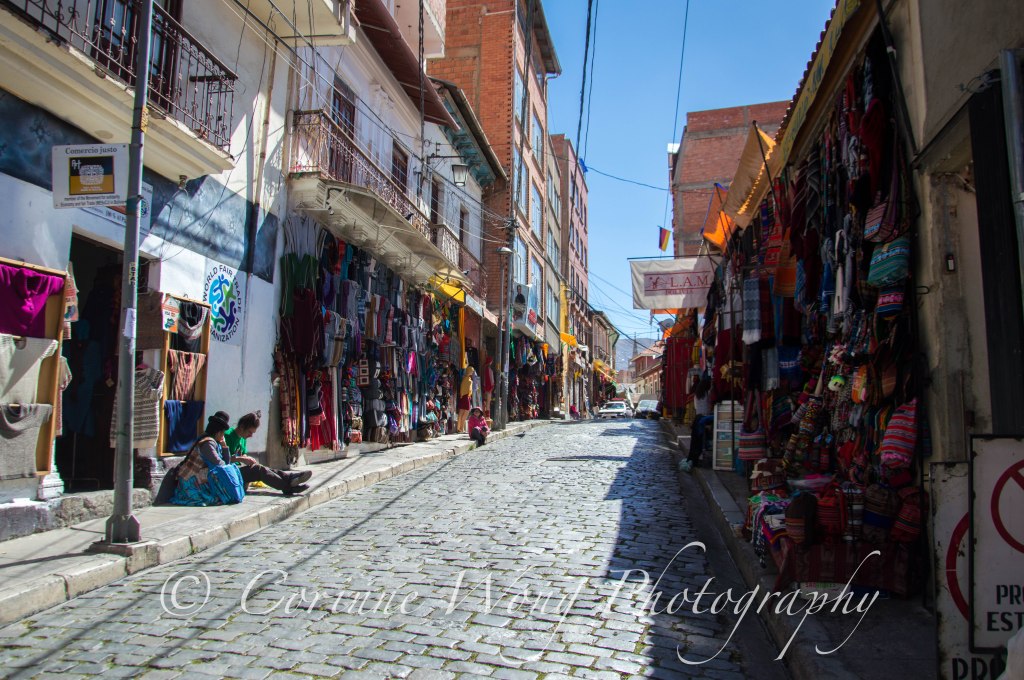
This is more of a whispered secret, but many Bolivians believe that large construction projects require an offering to Pachamama (Mother Earth). At the famous Witches’ Market, you’ll see llama fetuses and dead cats sold as offerings—perfectly acceptable for small structures. But as buildings get taller, so must the “scale” of the offering. And according to local lore… that means humans.

Where would you find someone willing to be a sacrifice? In Bolivia, there are places called Cementerios de Elefantes (“Elephant Cemeteries”), where the indigent, the marginalized, and those battling addiction go to spend their last days. They’re provided alcohol and snacks until they pass away. These individuals are said to sometimes become offerings for large construction projects. (Film rec: Cementerio de Elefantes, a Bolivian film.)
Bolivia is also among the top producers of cocaine globally. Within the infamous San Pedro prison, inmates historically produced cocaine for profit. For years, tourists could even tour the prison and would often be “gifted” a small souvenir on their way out. Some visitors became regular smugglers; others… became victims. The tours eventually ended after reports of tourists going missing.
A former inmate named “Crazy Dave” now tells the story of his time inside—right outside the prison gates. Highly recommend hearing his wild New Yorker-level monologue if you ever go!
 Corinne Wong Photography