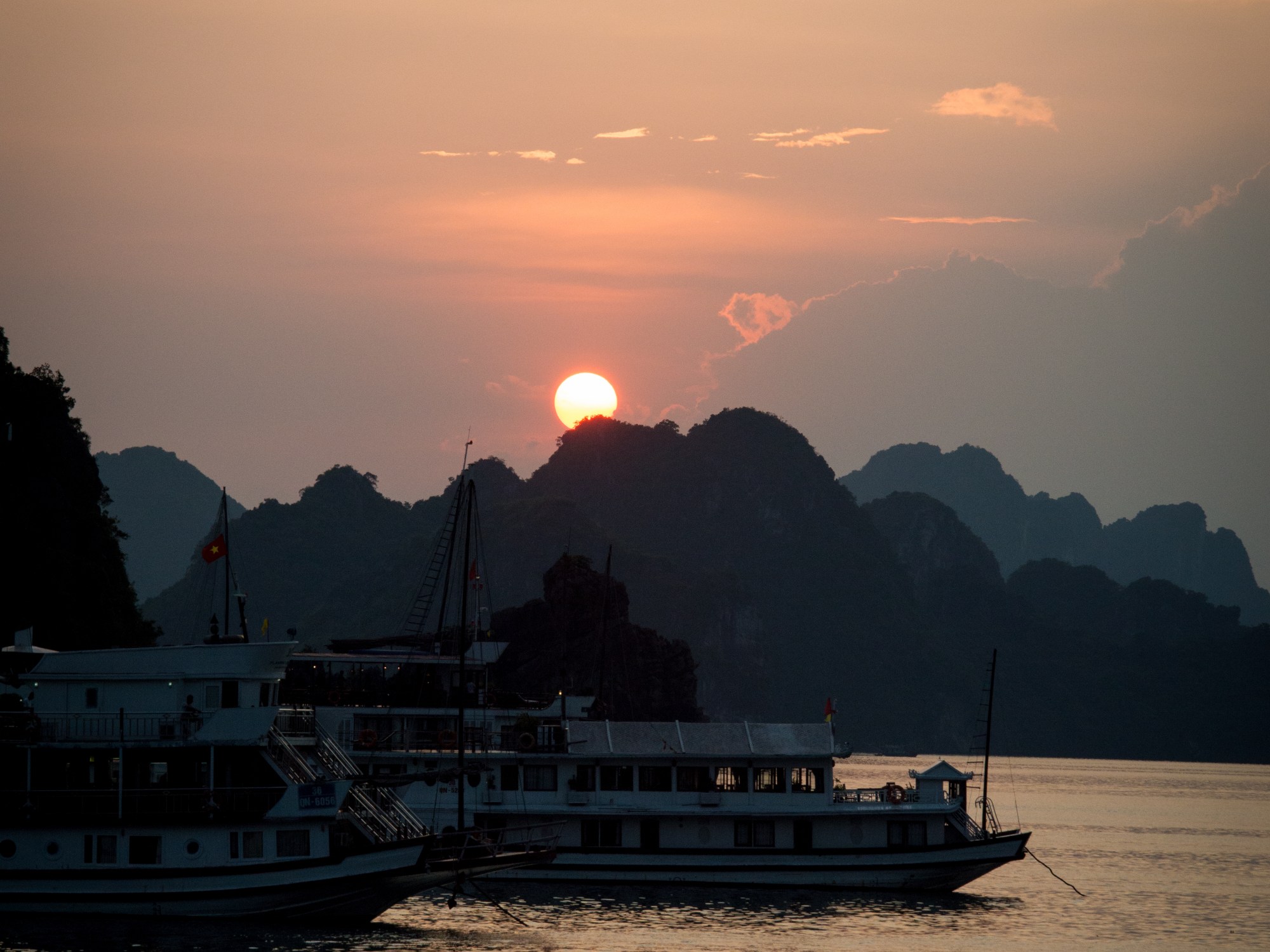
Ha Long Bay, Sapa, Hanoi, Phong Nha, Hoi An, Da Nang, HCMC, & Can Tho.
TLDR: Traveled from Hanoi to Ho Chi Minh City (North to South) by trains, ate great pho and banh mi, and made new friends along the way. Such an interesting culture and history; the Remnants War Museum is a must in HCMC. Motor-scooters literally flood the cities – It’s amazing how there are rarely any accidents!
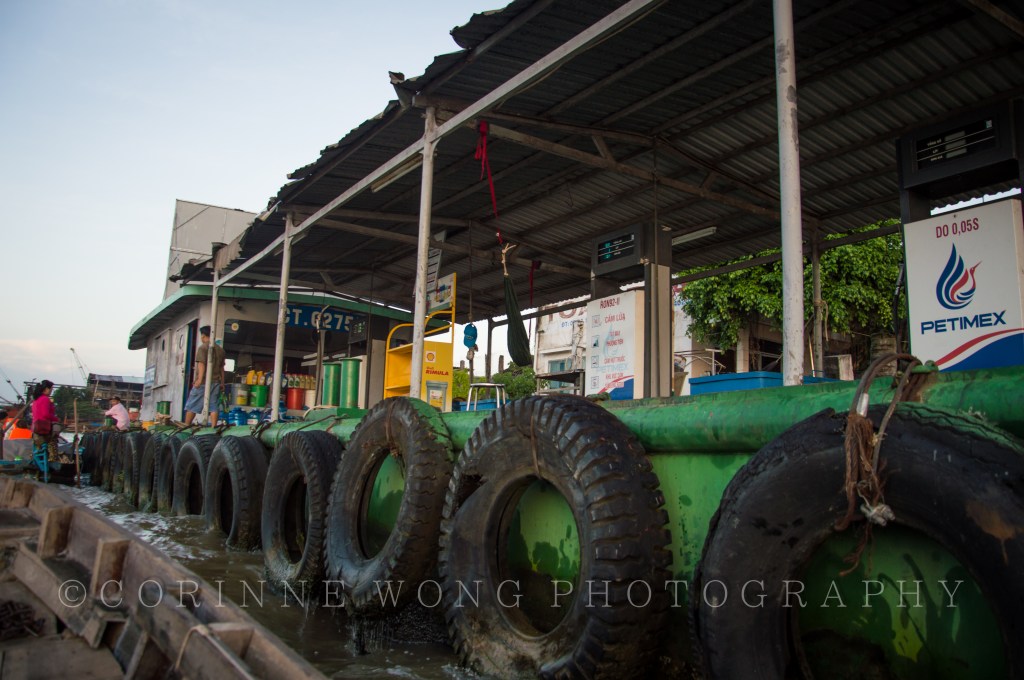
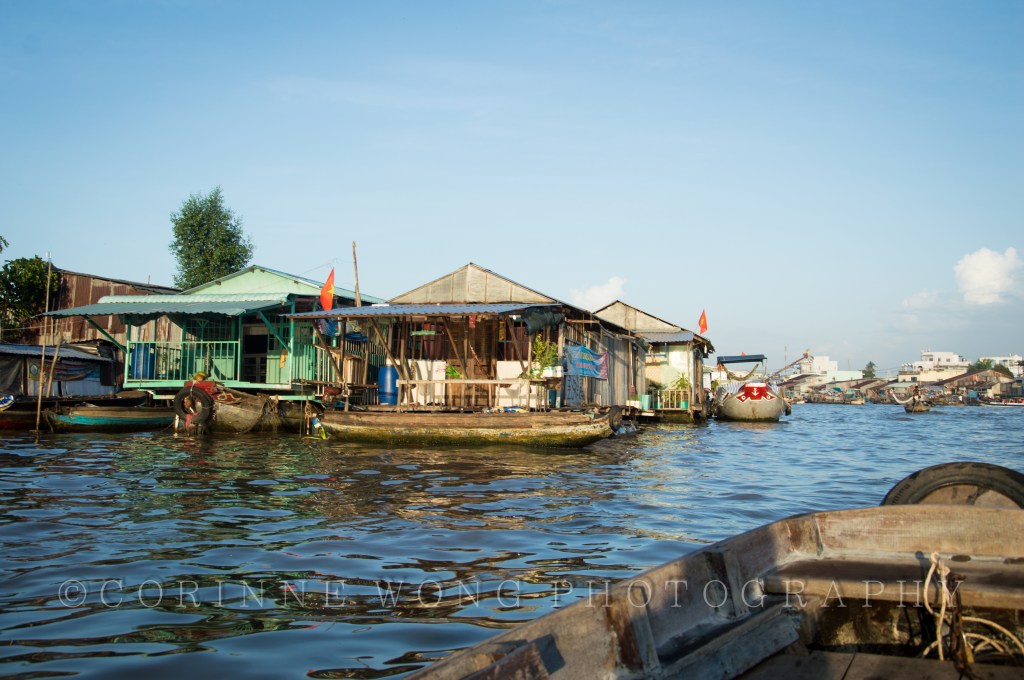
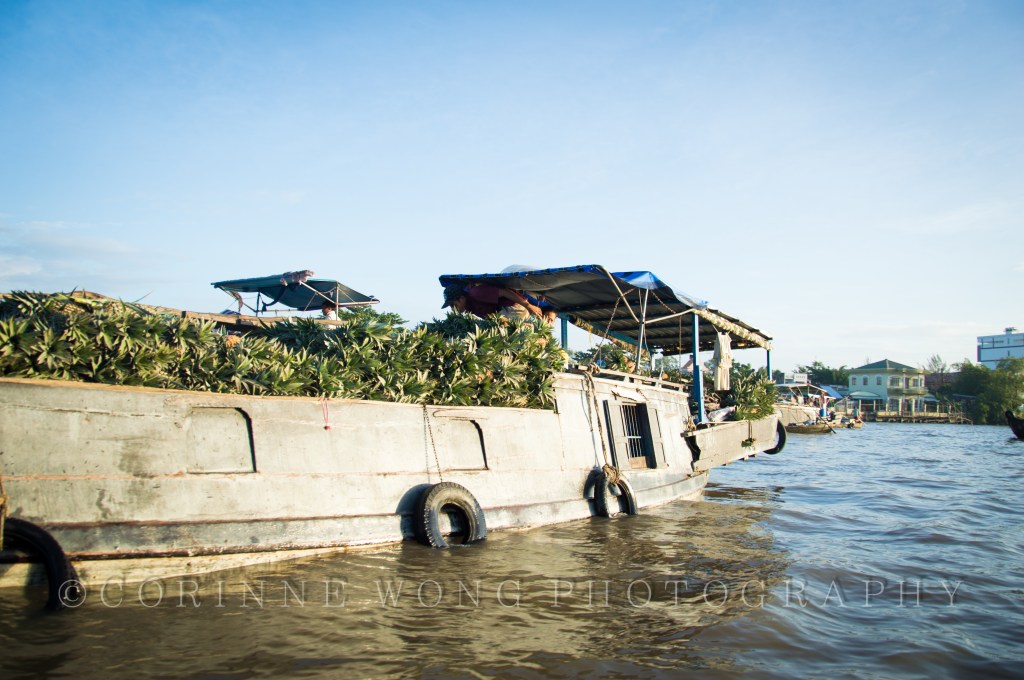
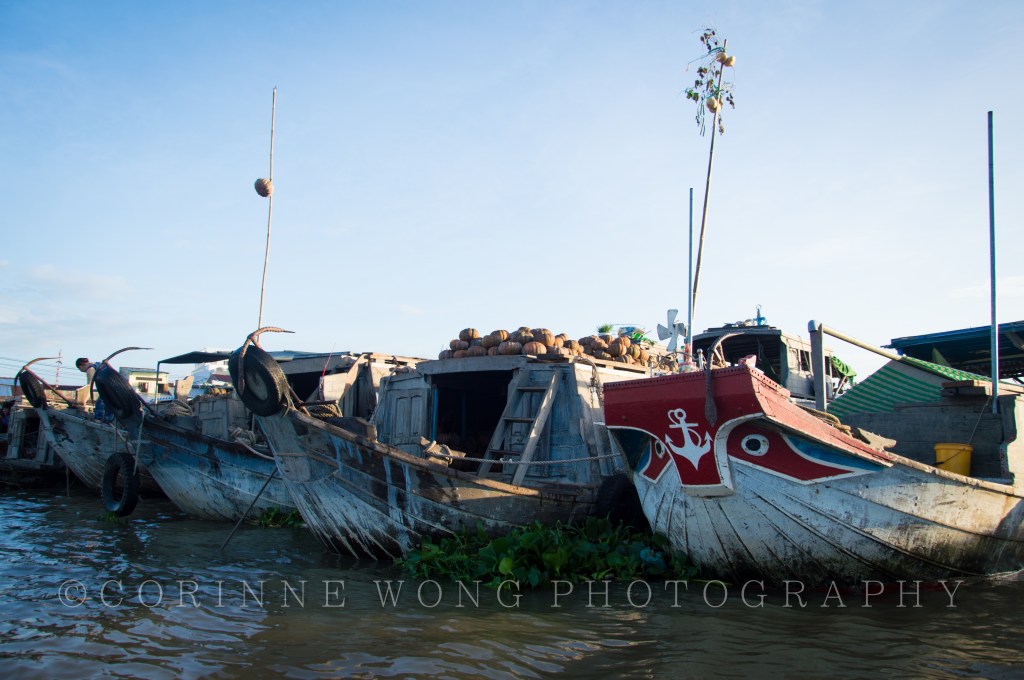
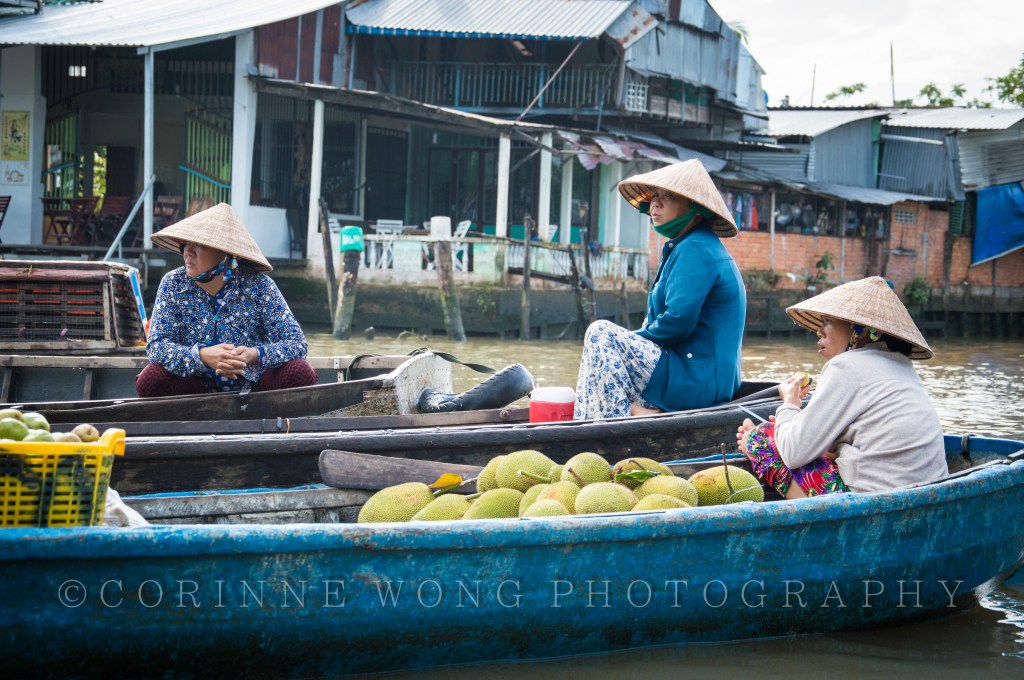
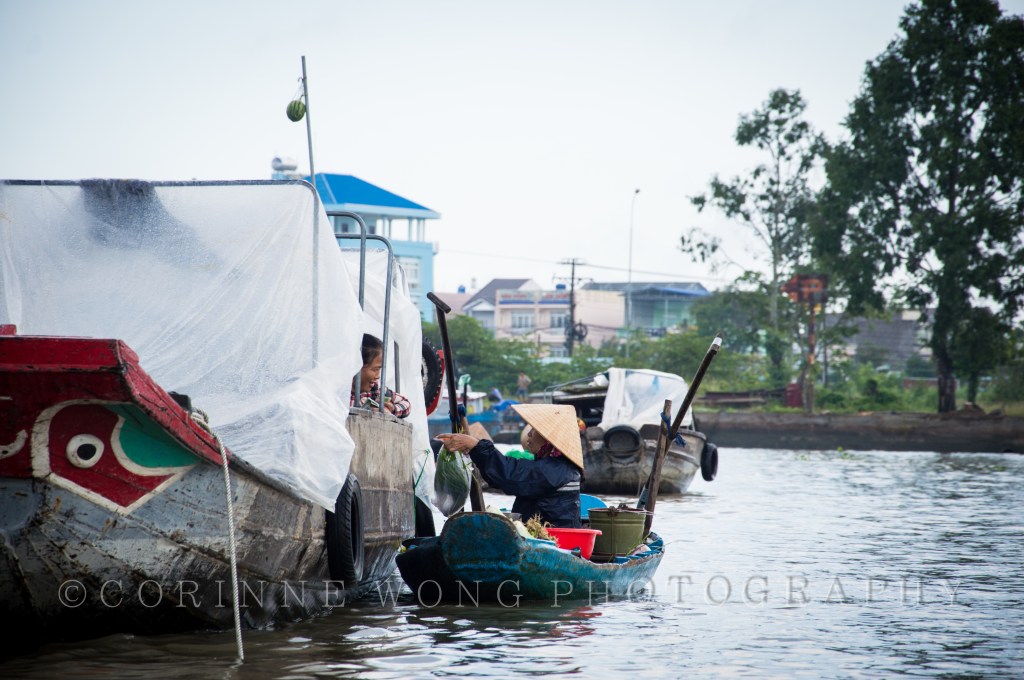
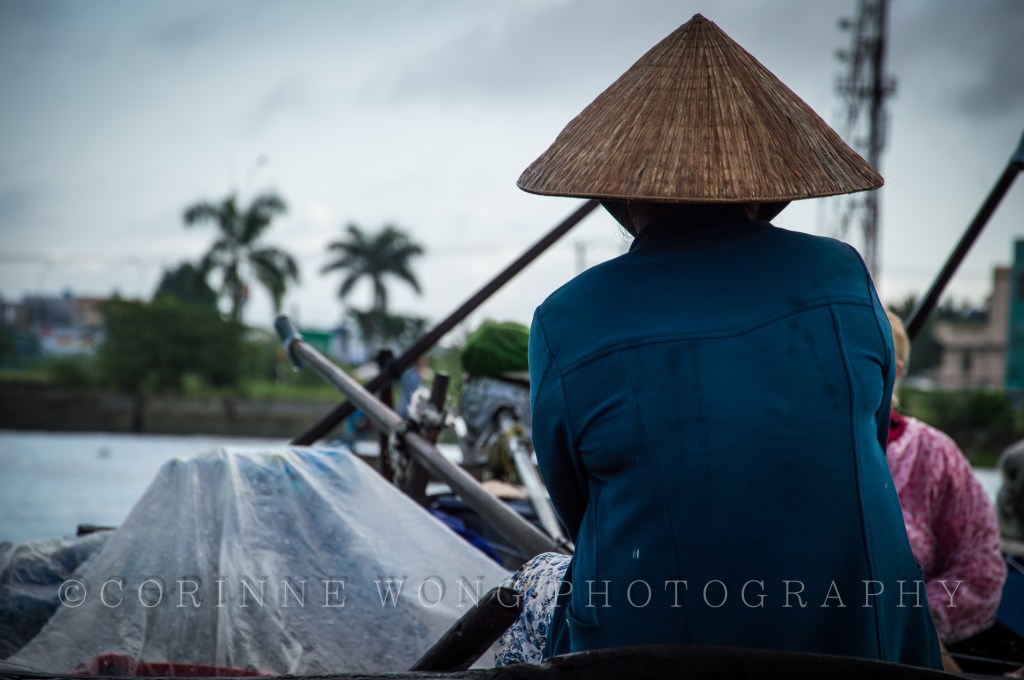
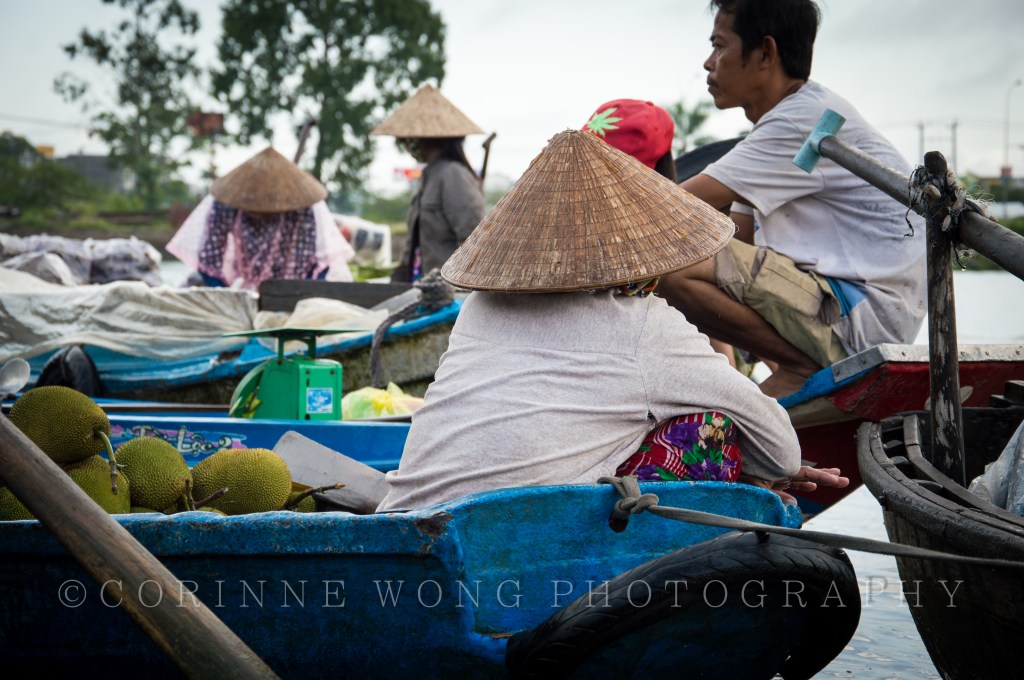
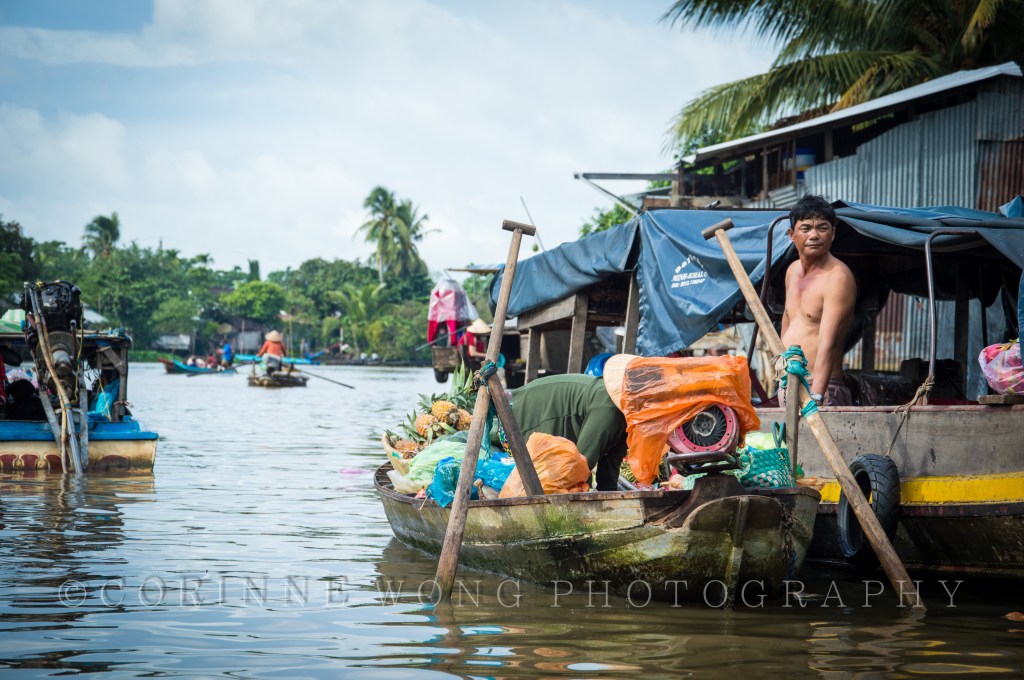
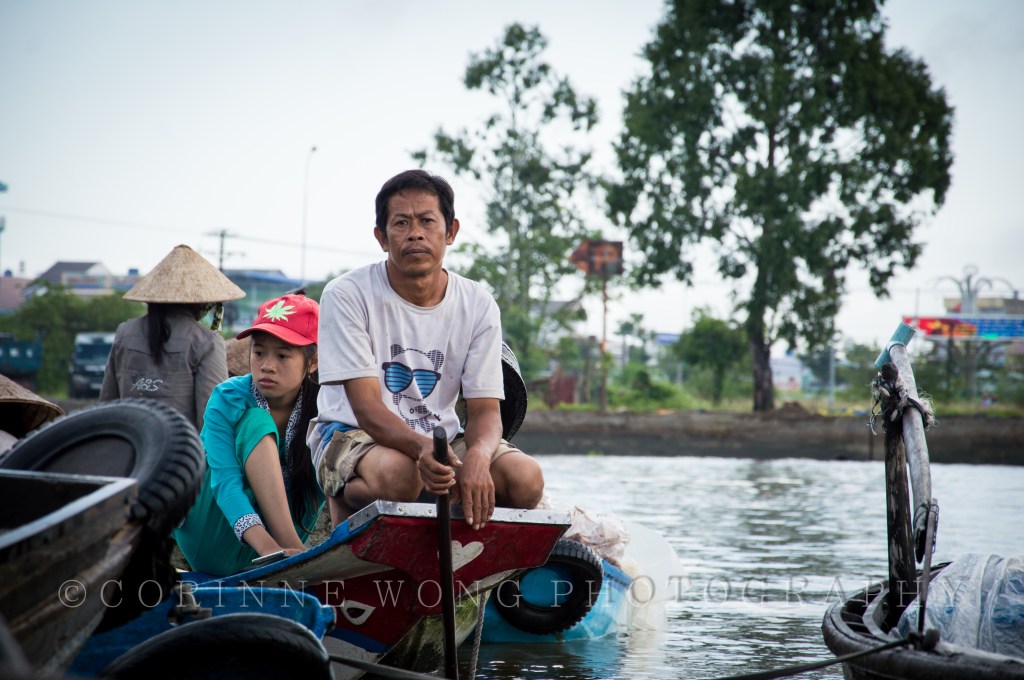
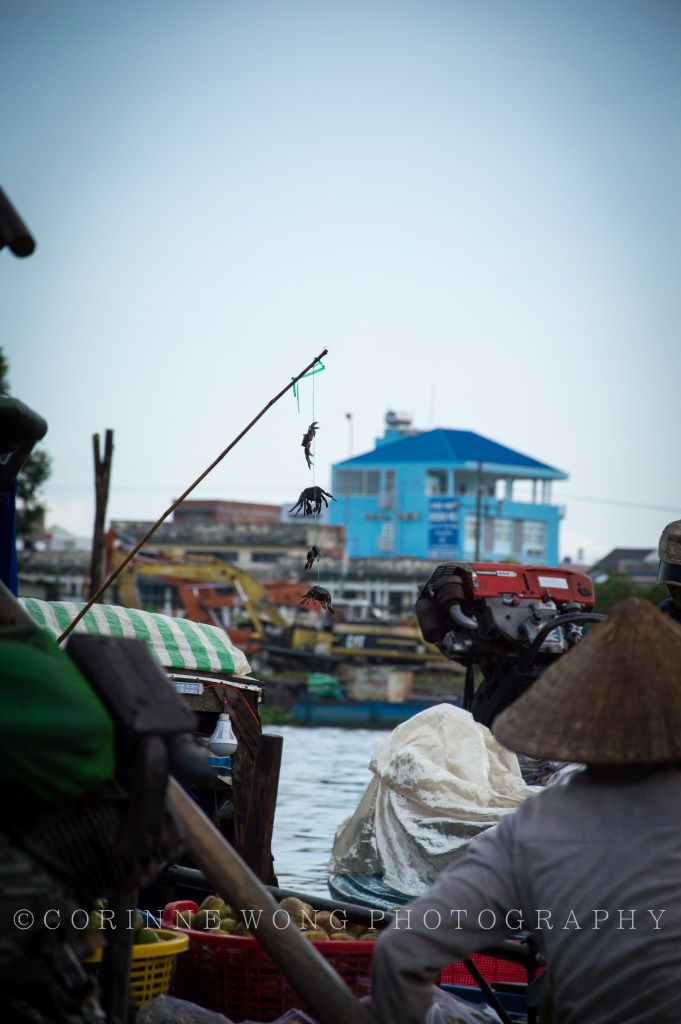
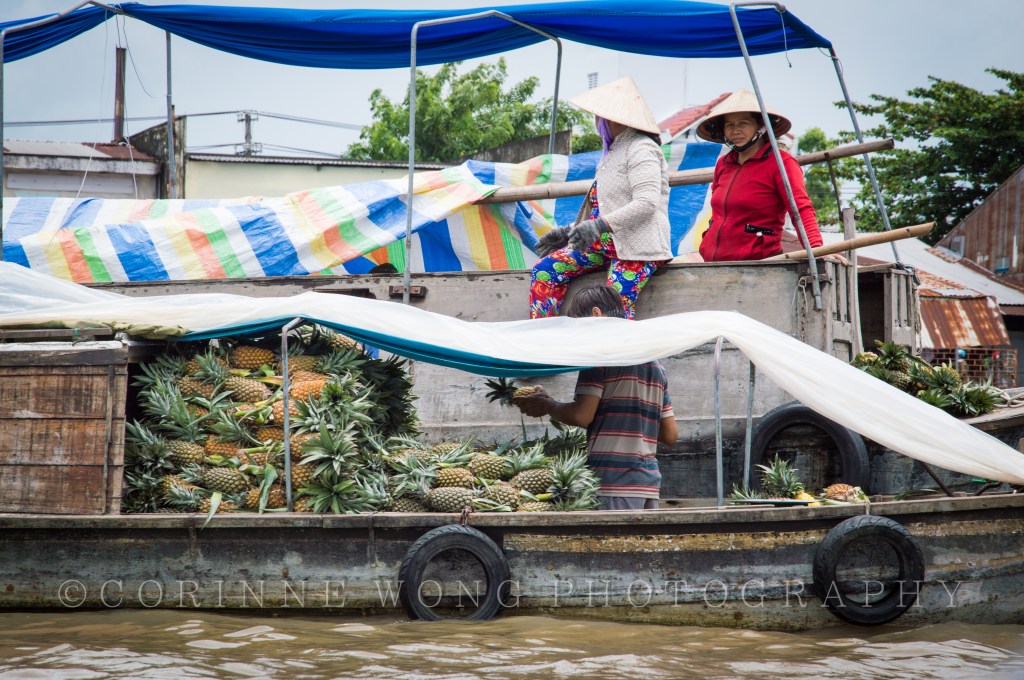
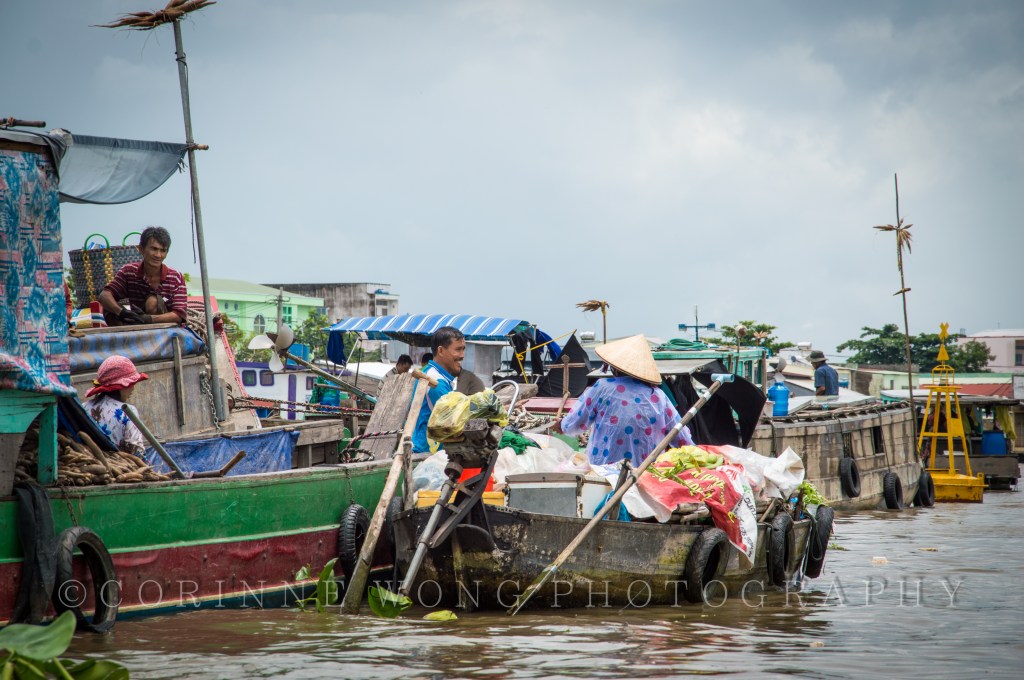
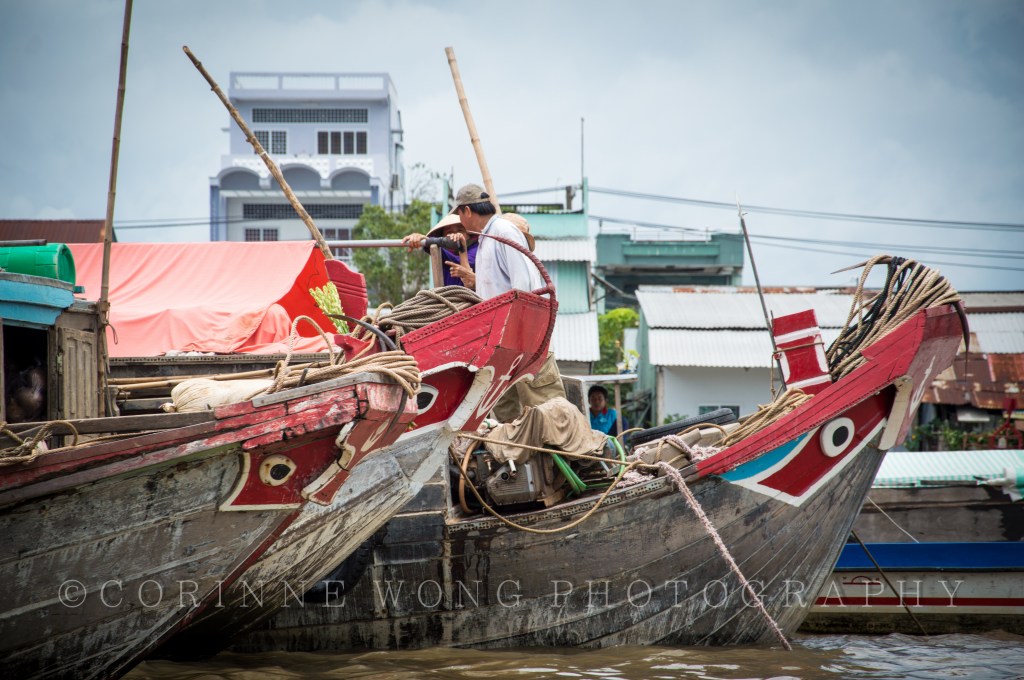
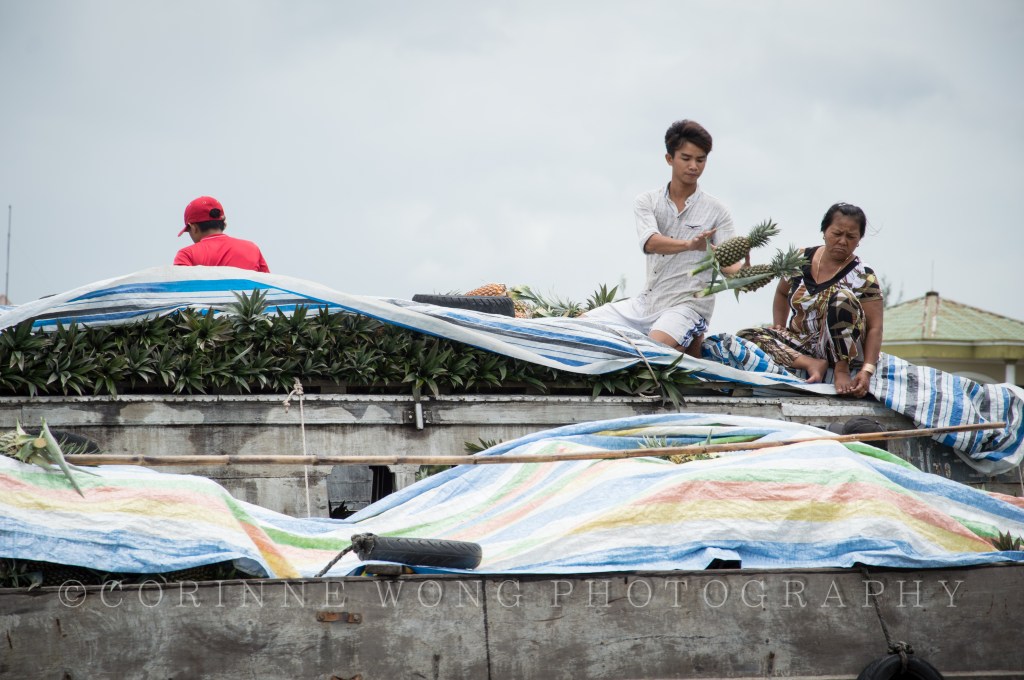
Quick recommendation: If you go to Ha Long bay, I recommend heading to Cat Ba Island instead of sleeping on a boat–less touristy, more isolated, and very nice from what I hear. A floating market at 5am is quite the sight to see in Can Tho. Definitely take a Grab (equivalent to Uber) motortaxi–it’s quite fun.
Read more below!
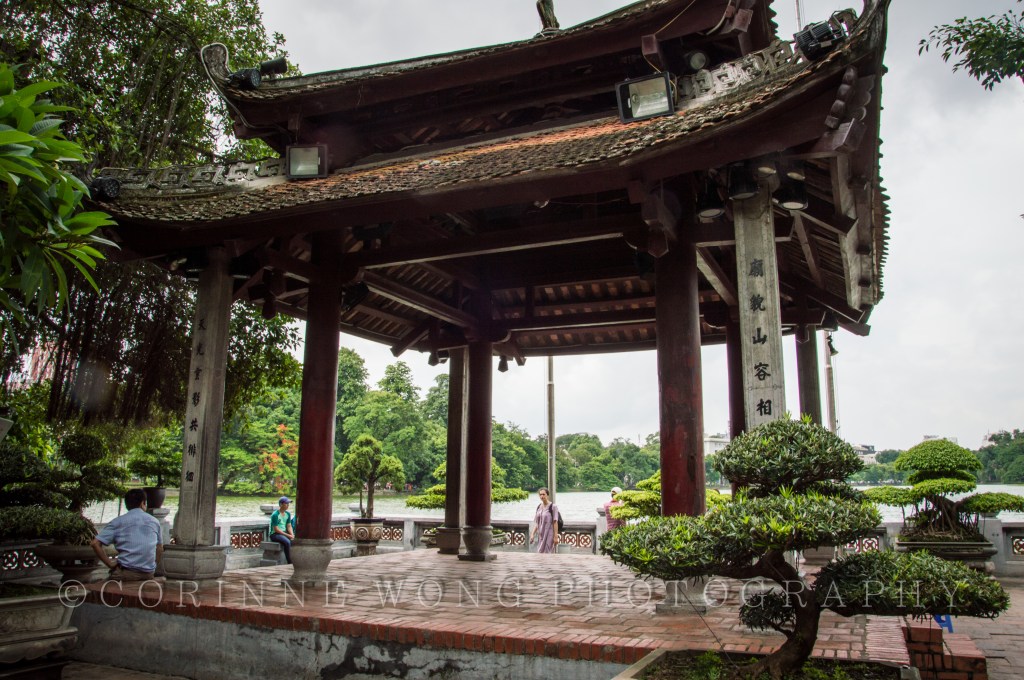
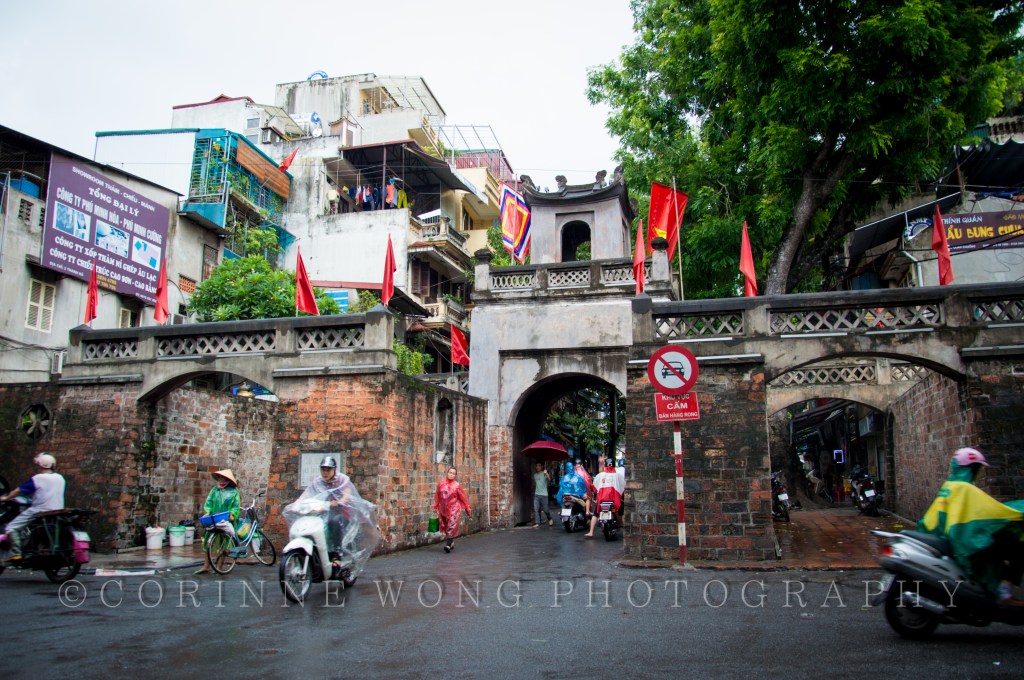
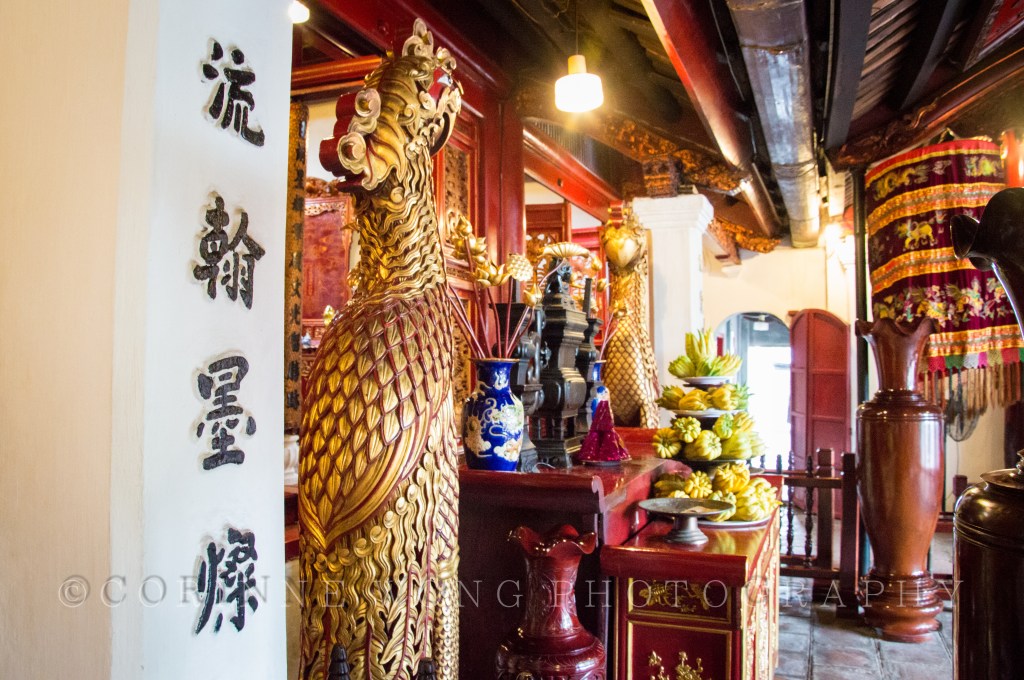
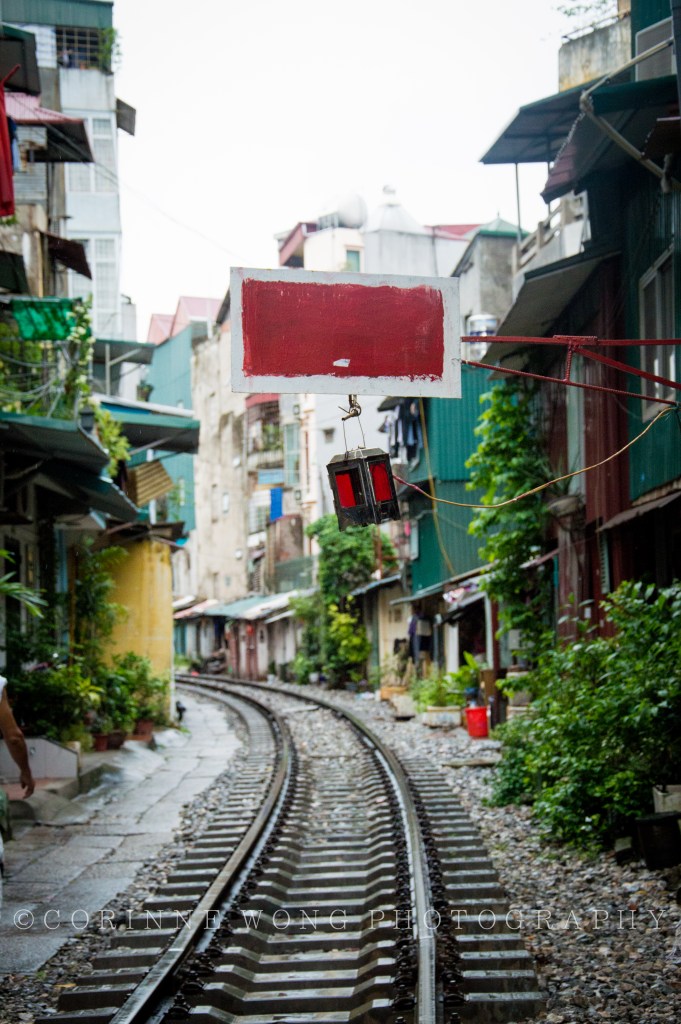
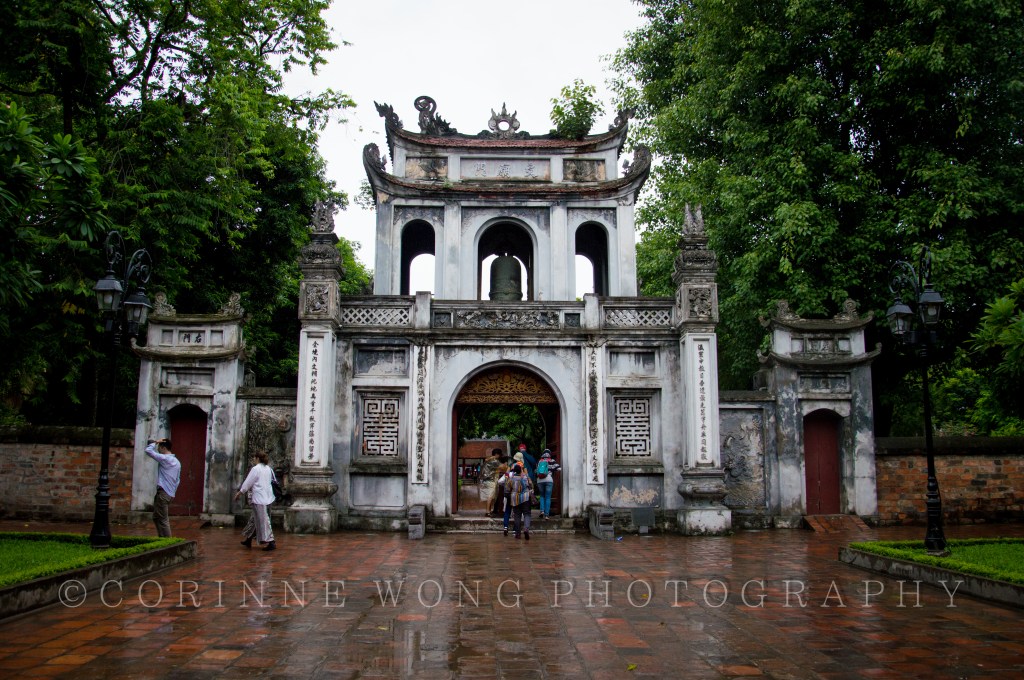
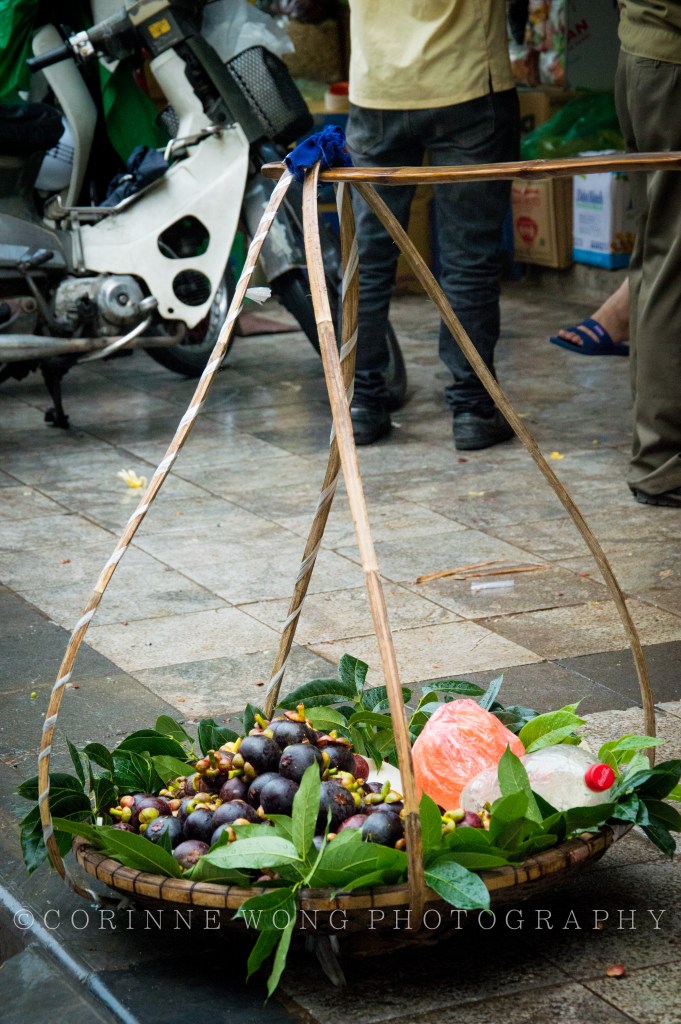
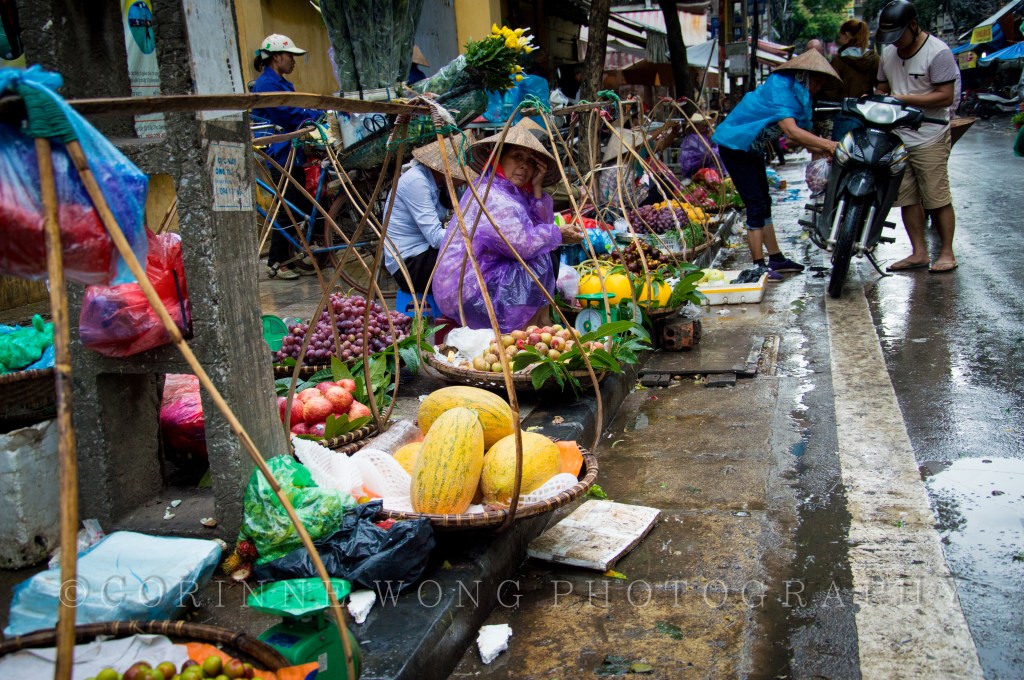
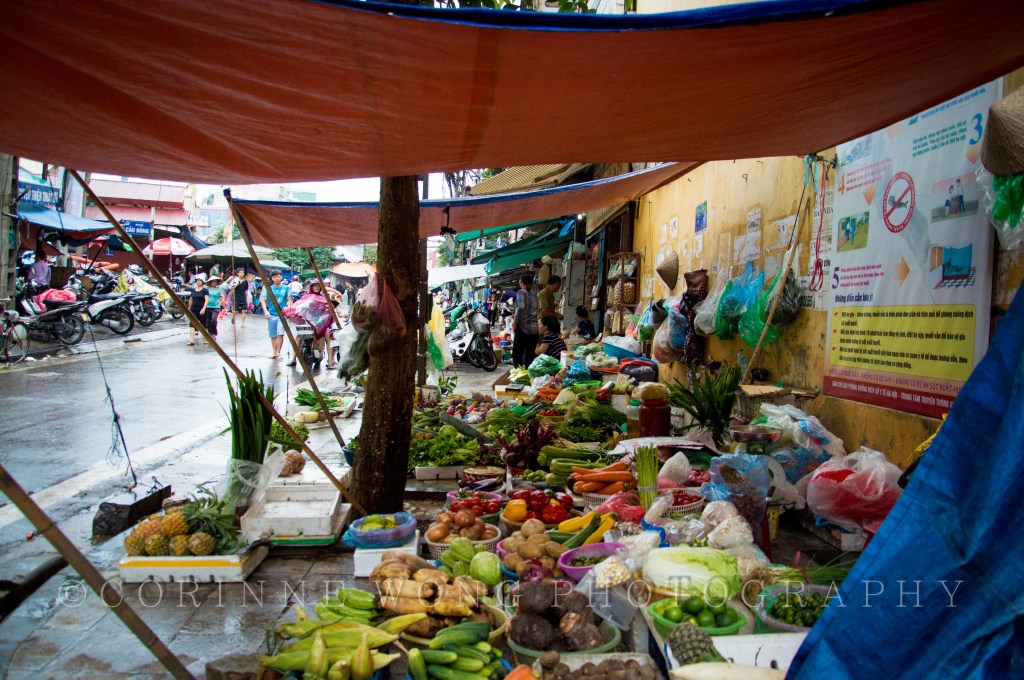
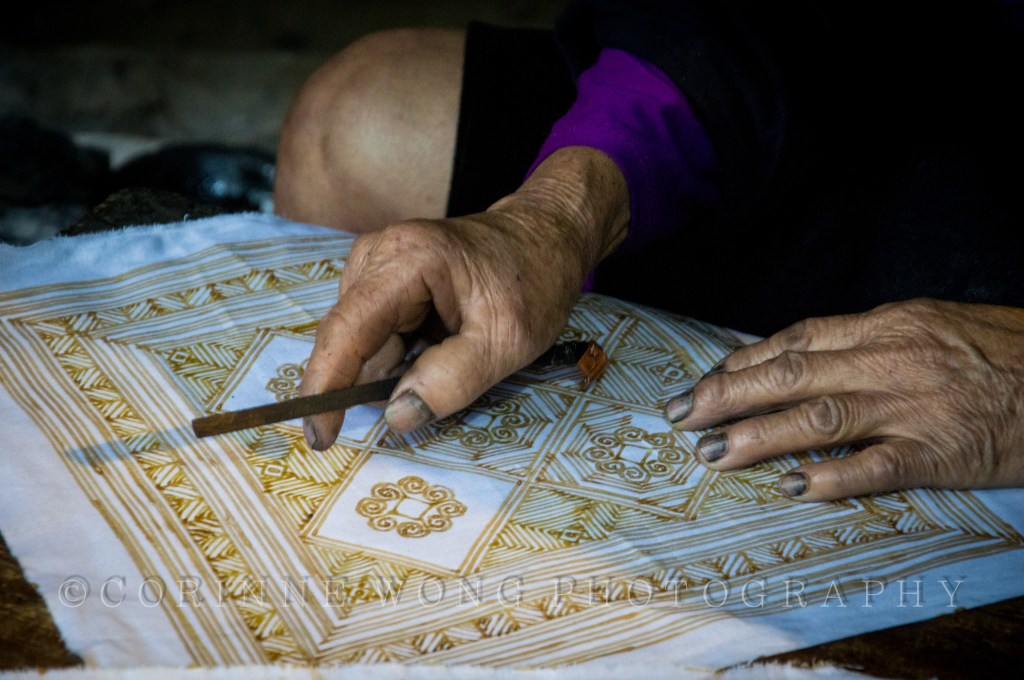
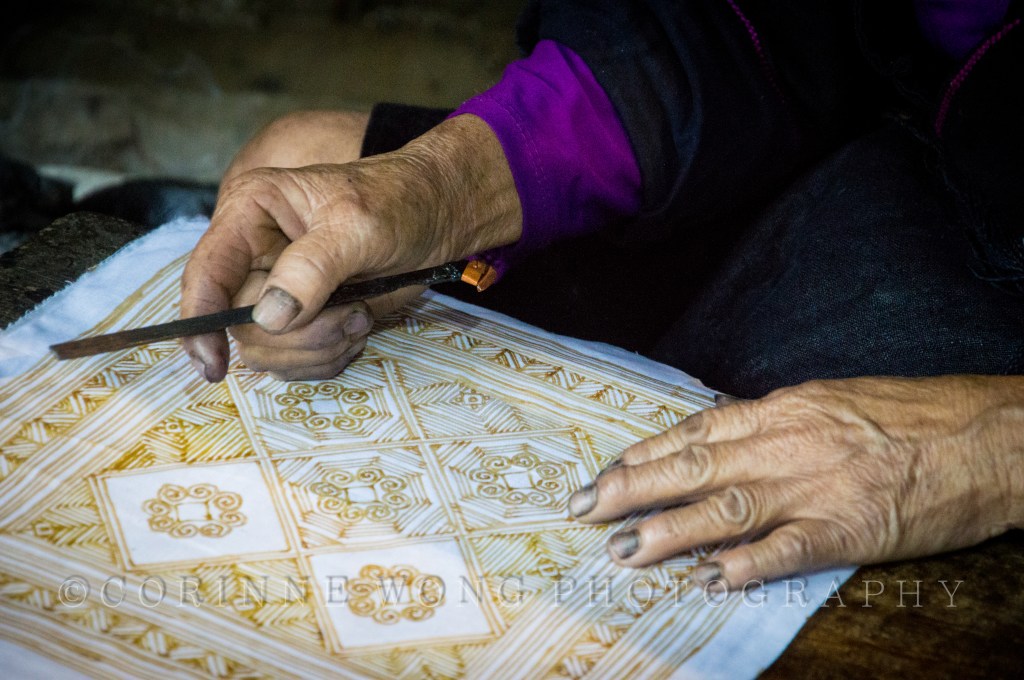

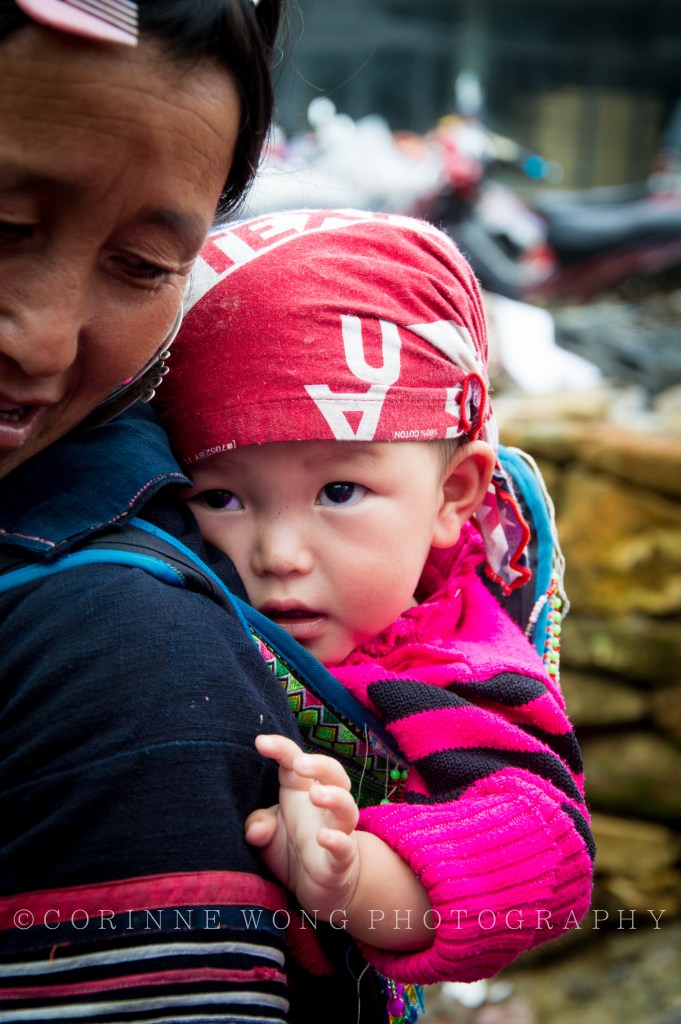
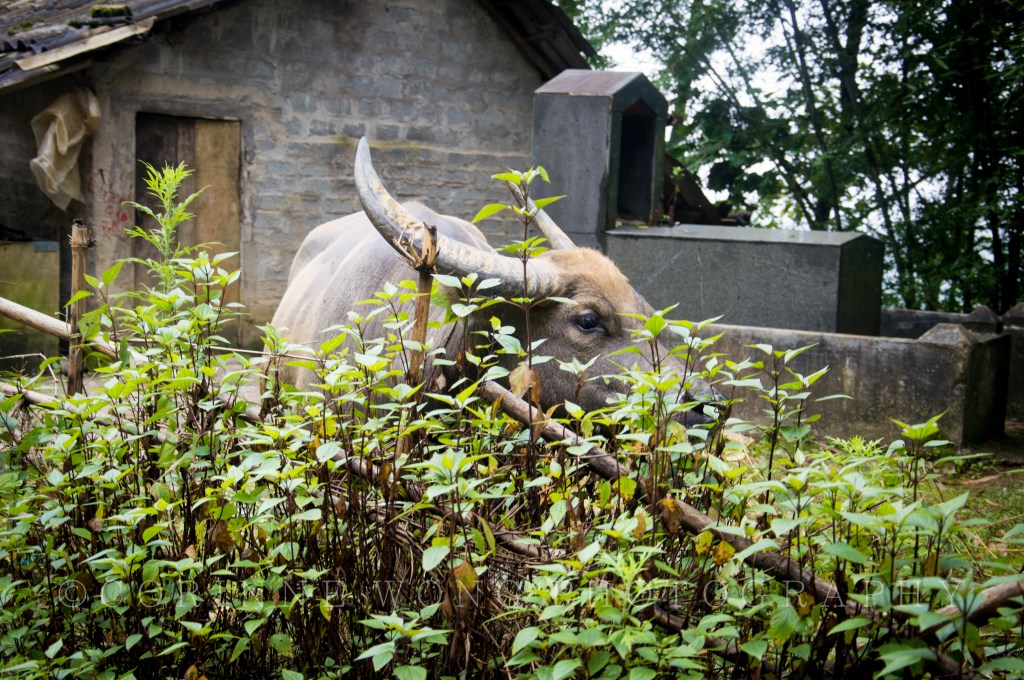
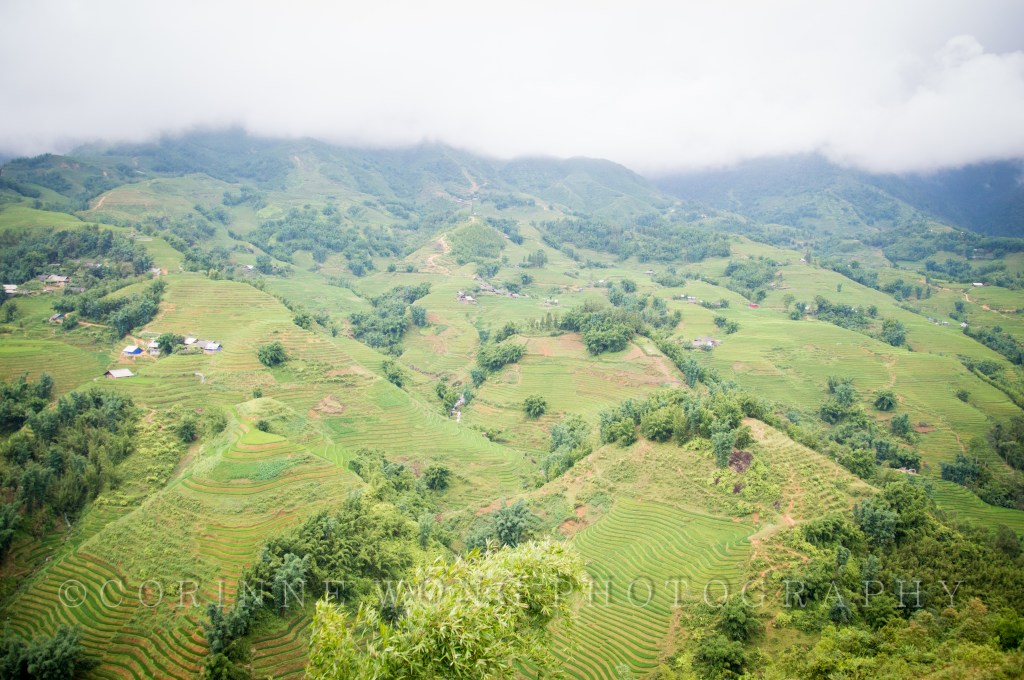
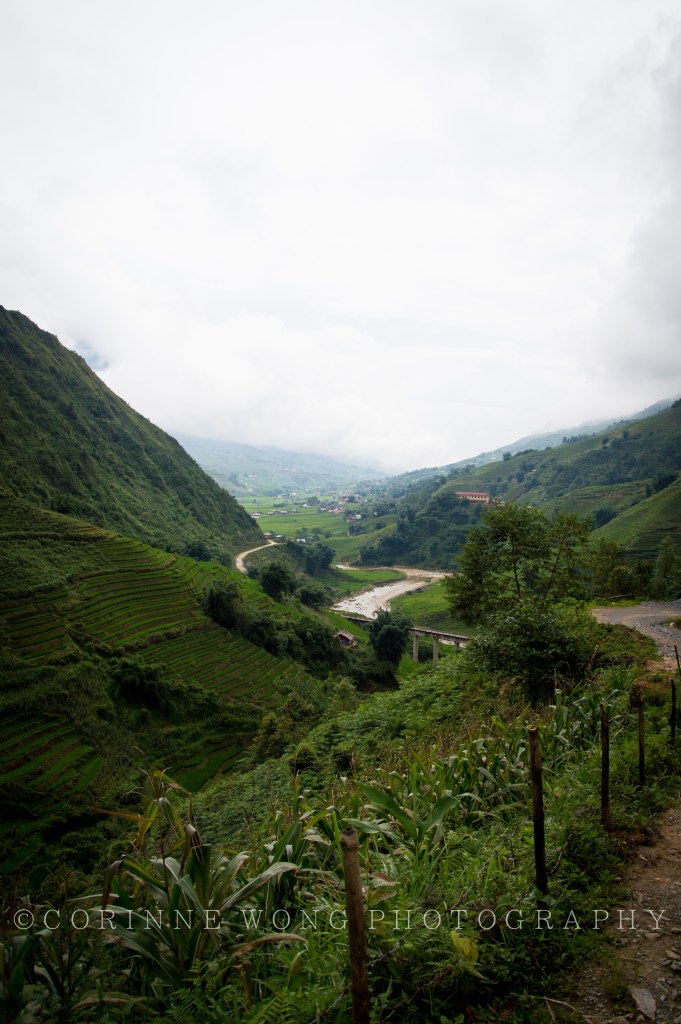
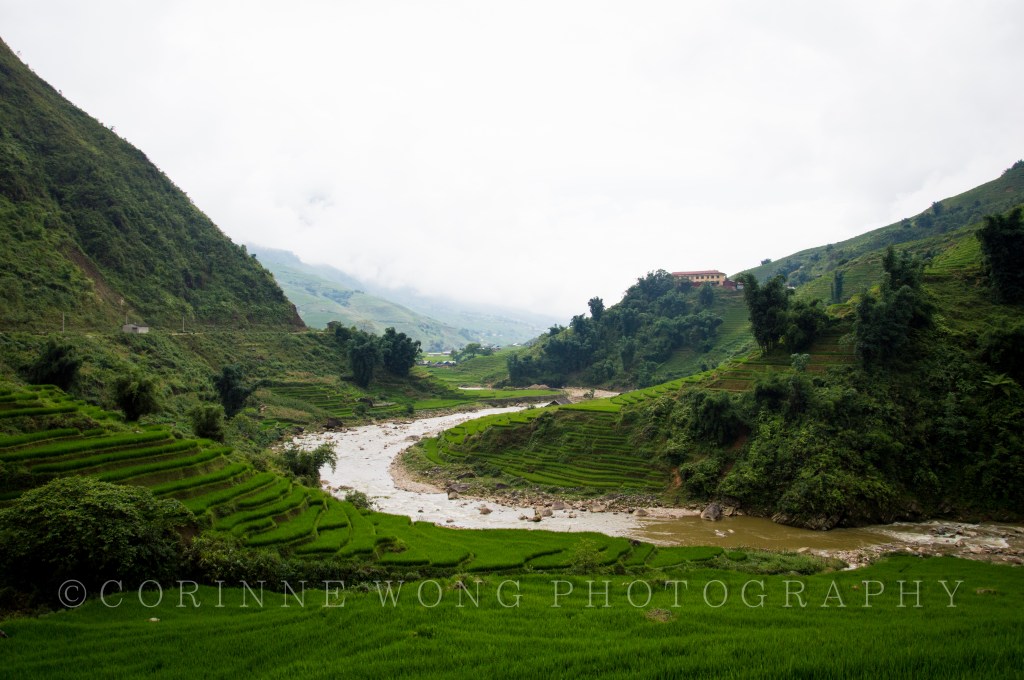
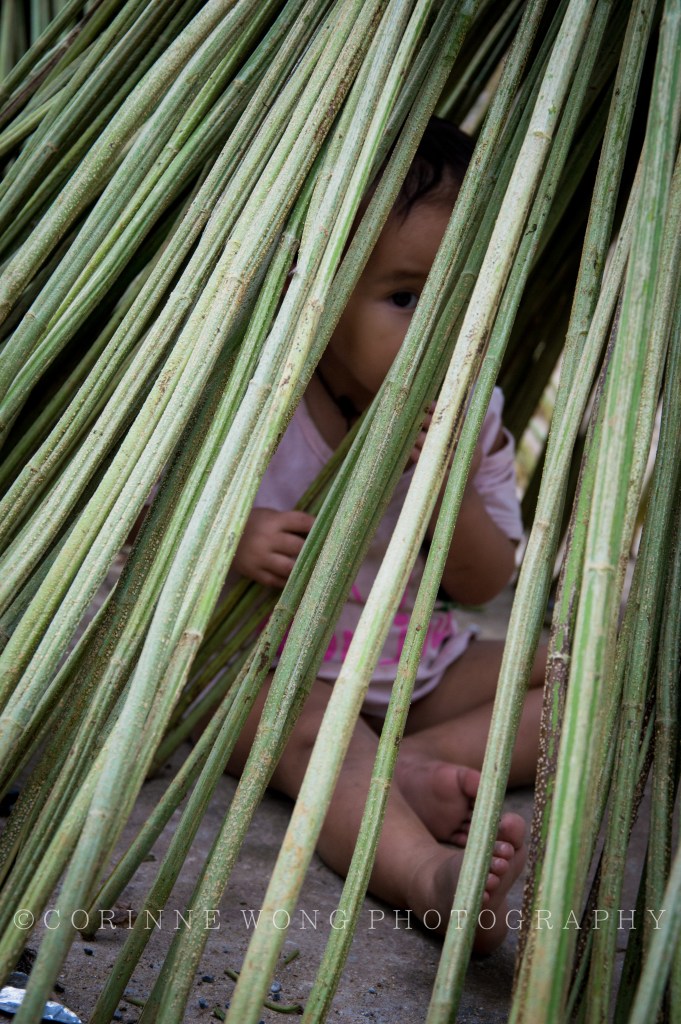
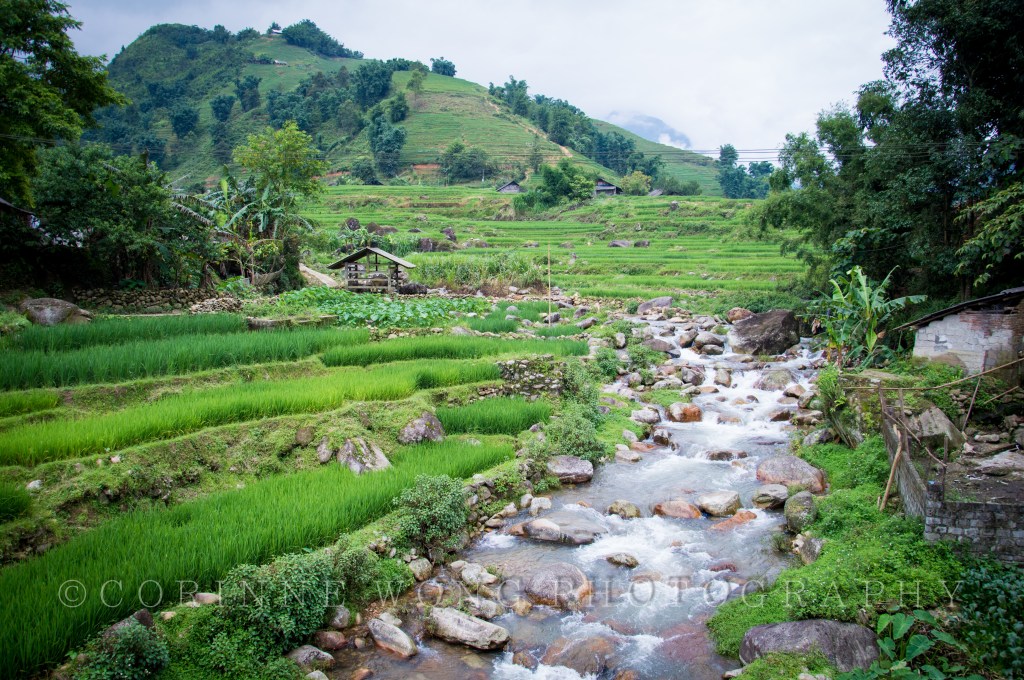
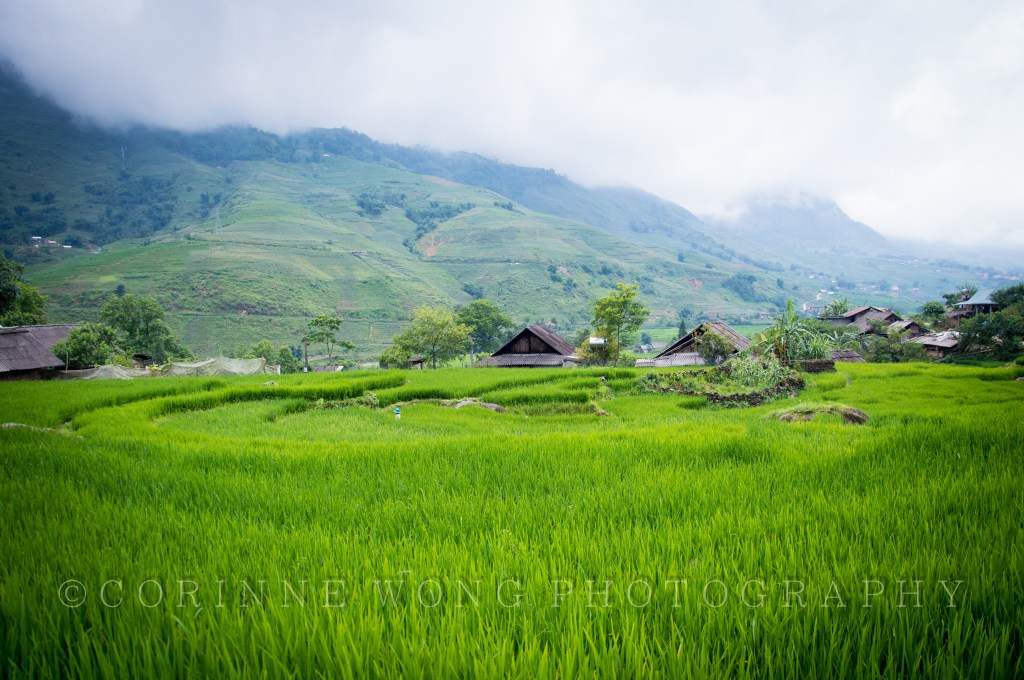
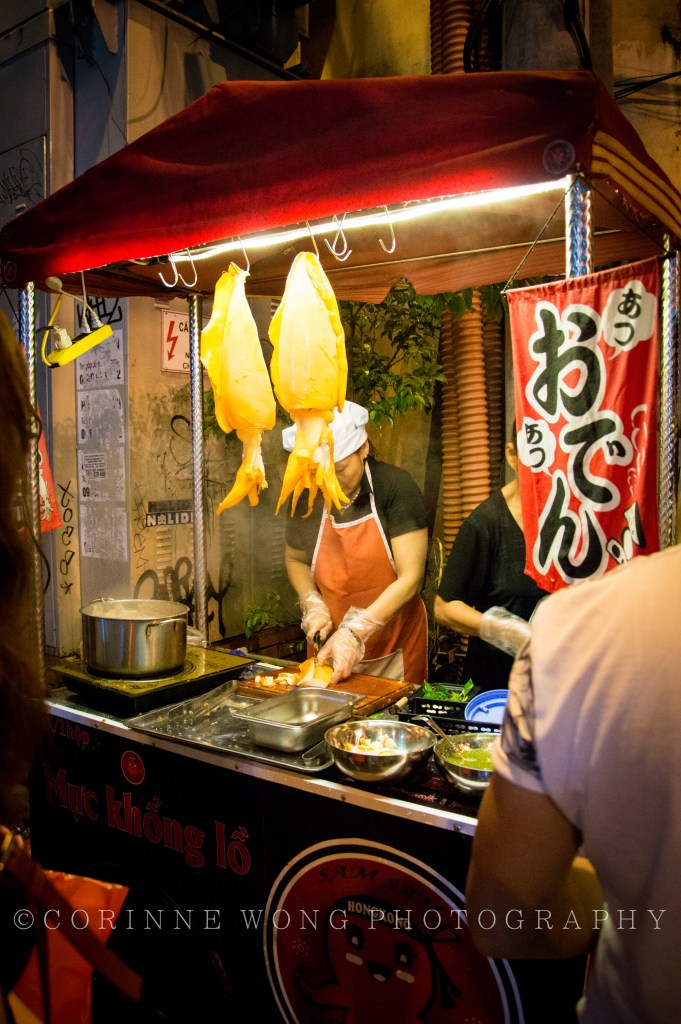
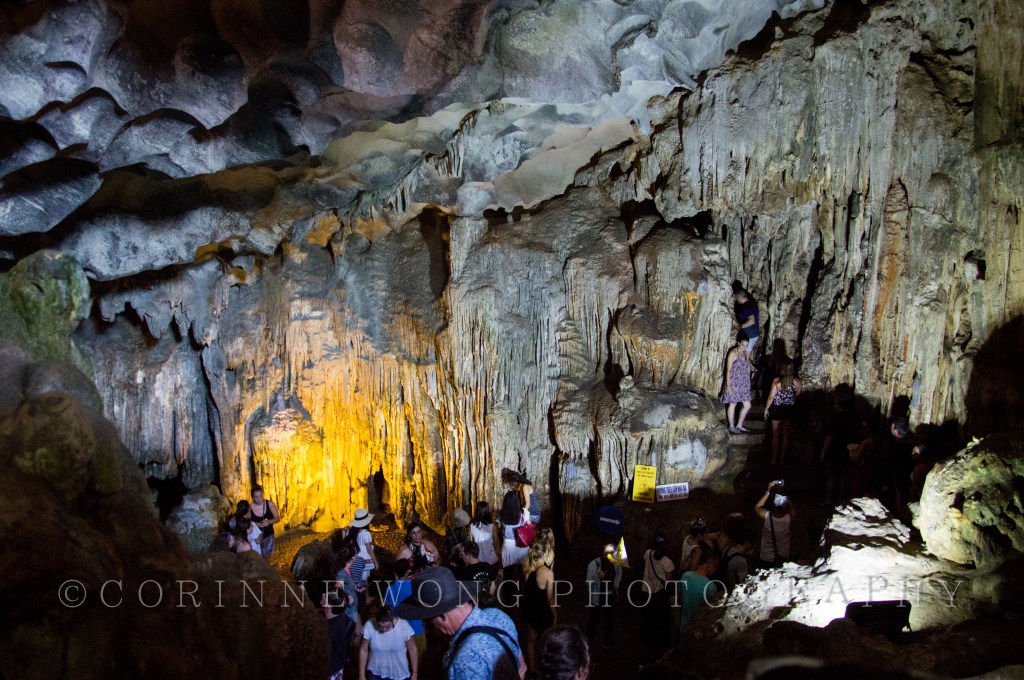
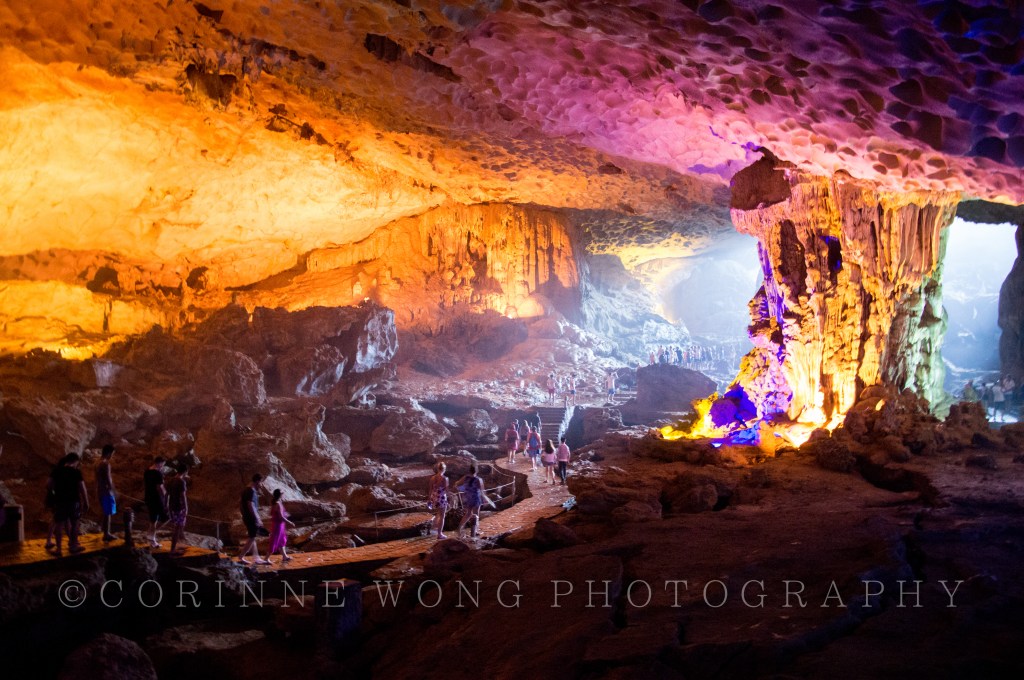
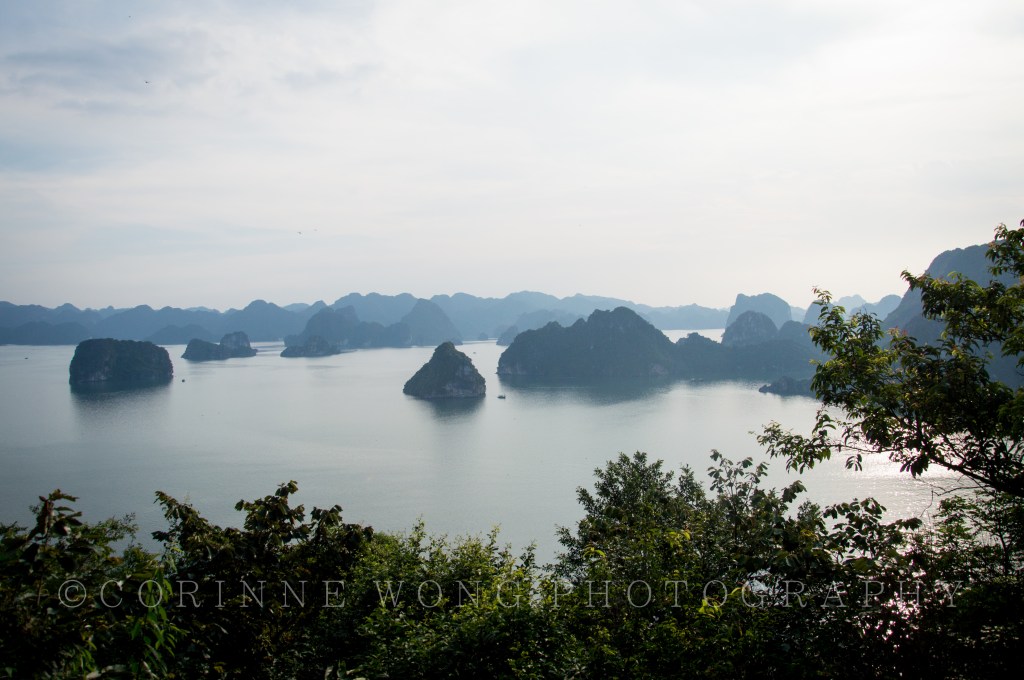
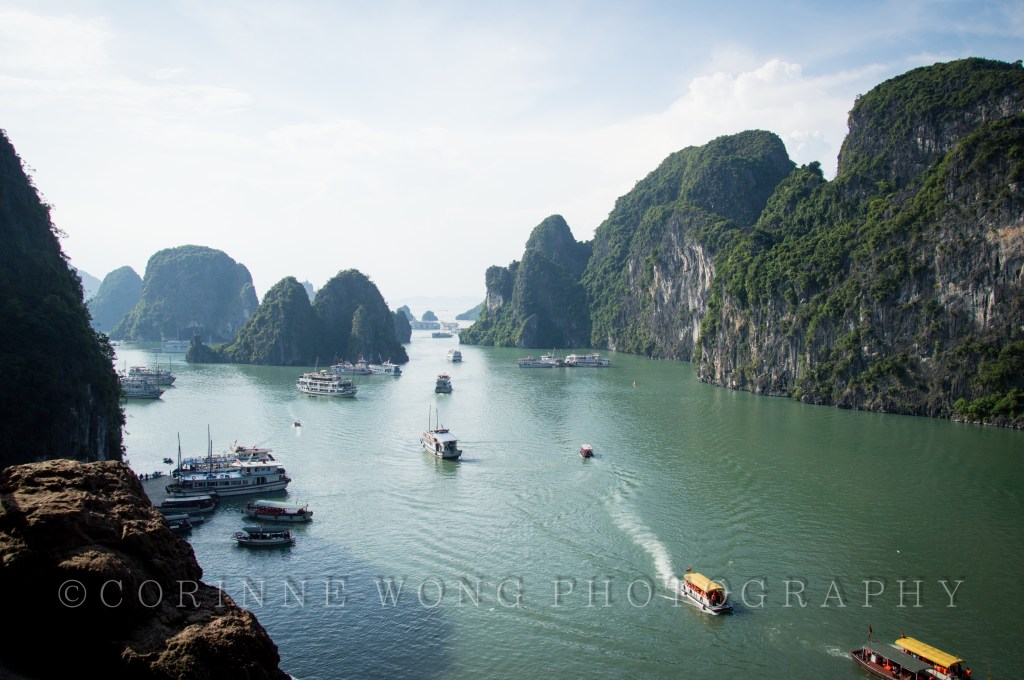
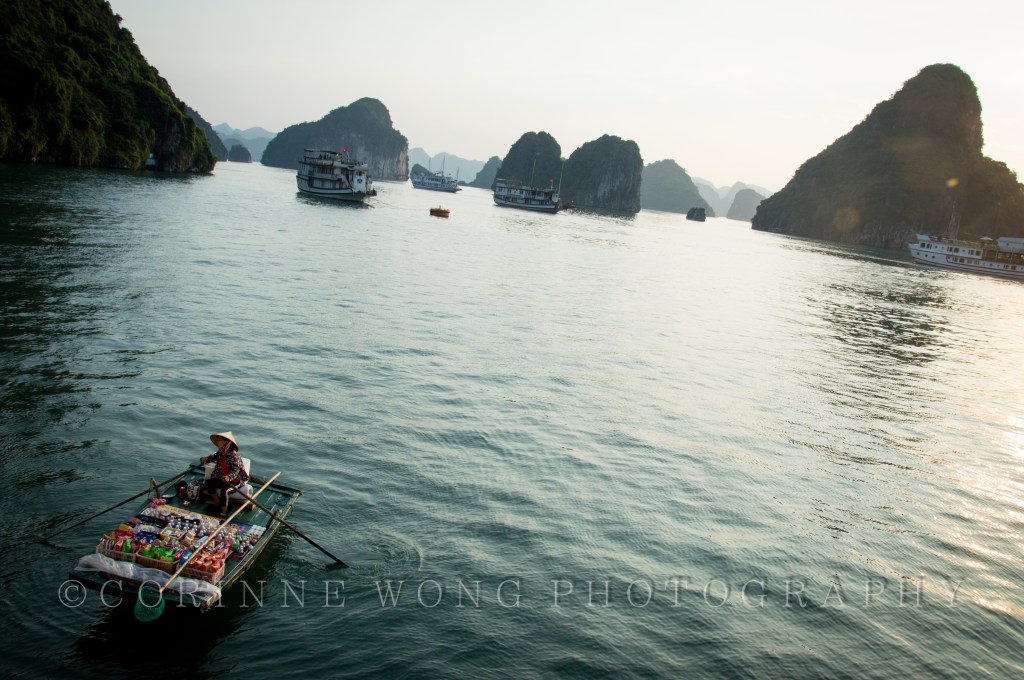
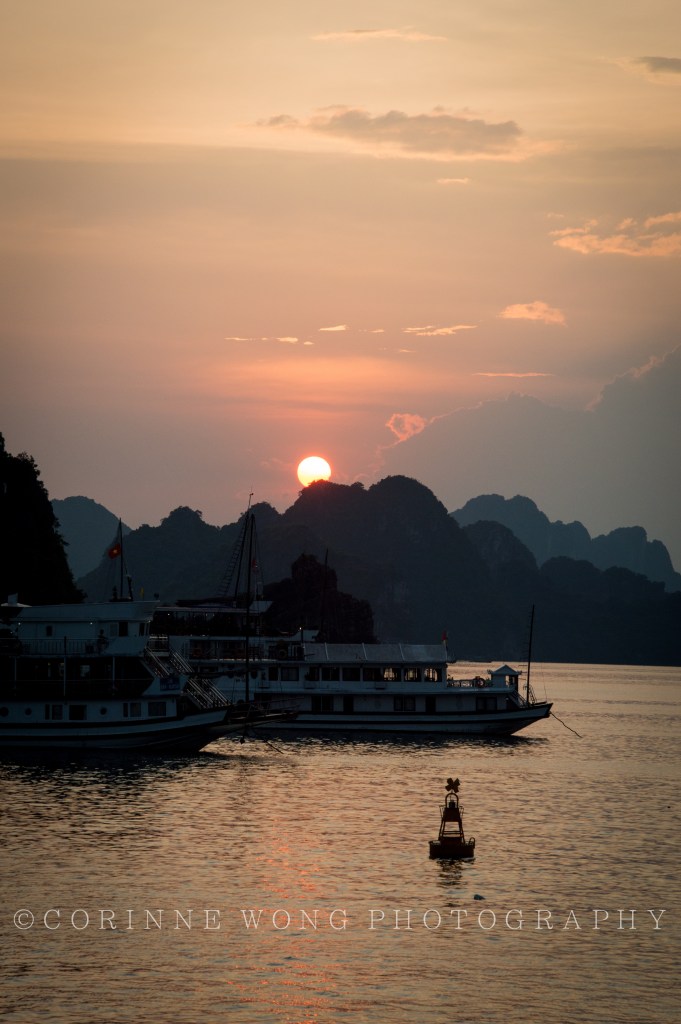
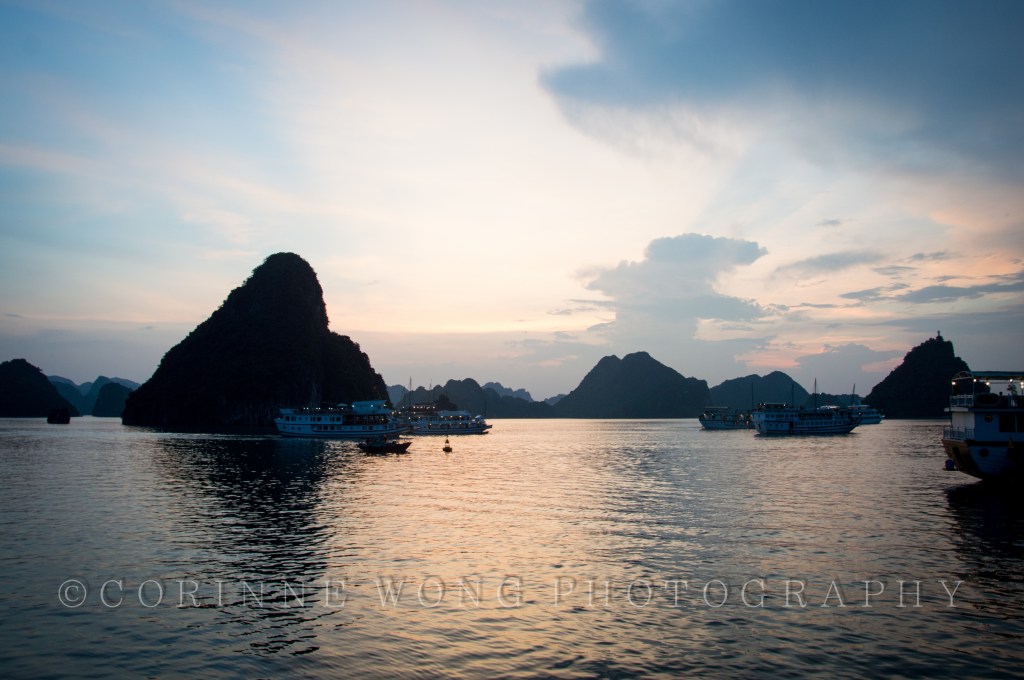
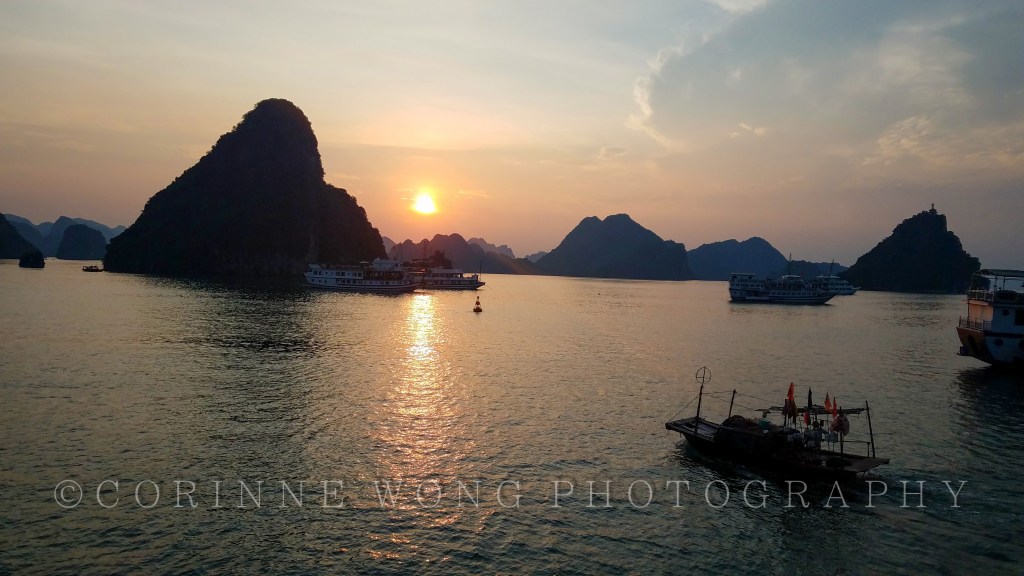
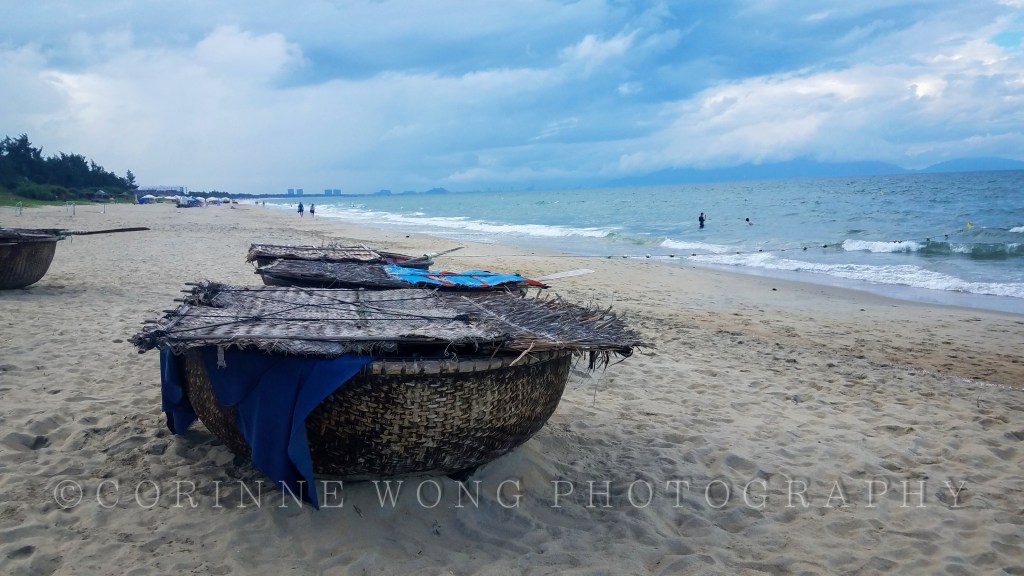
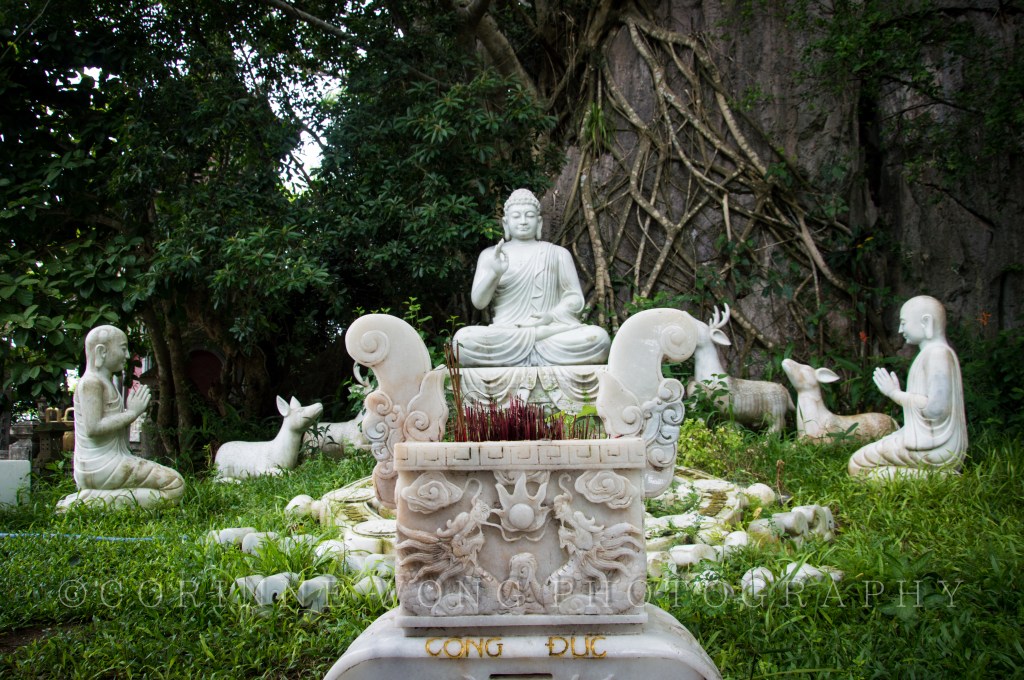
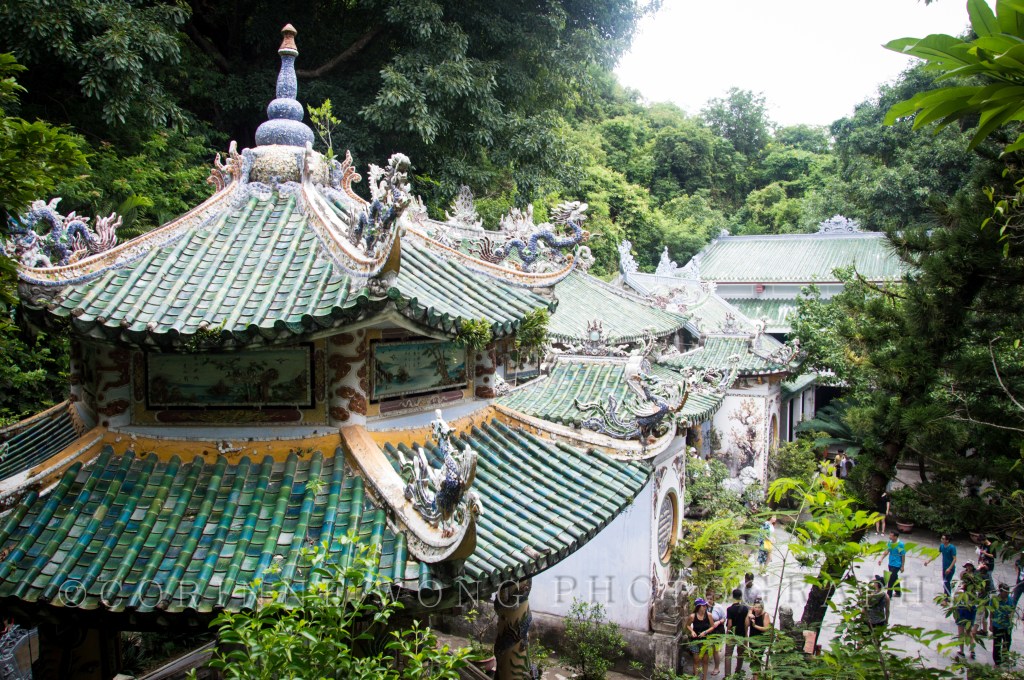
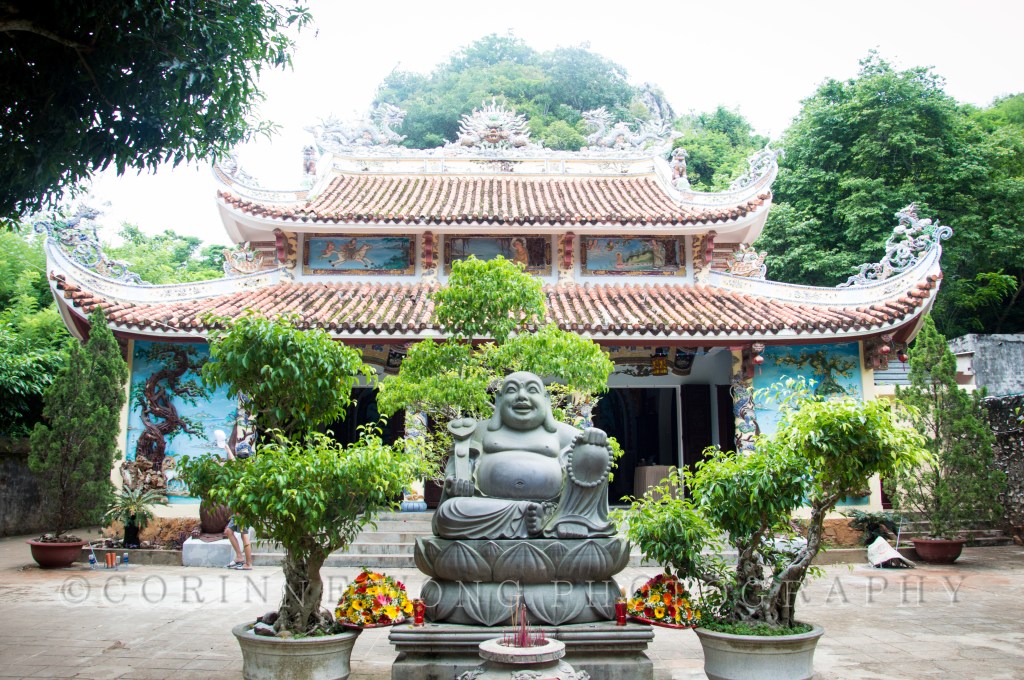
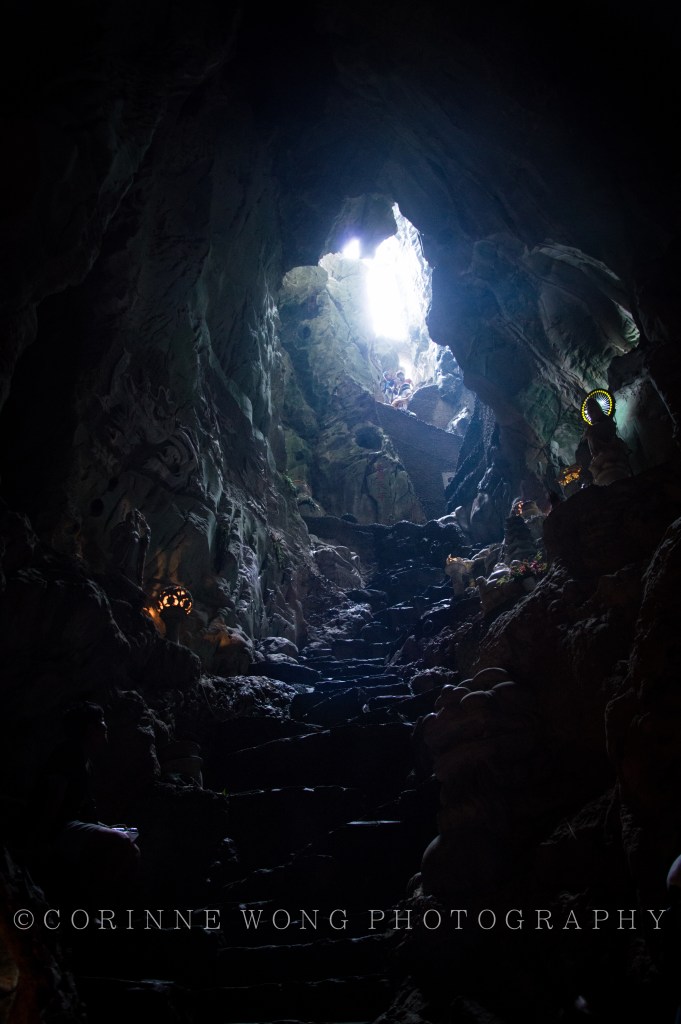
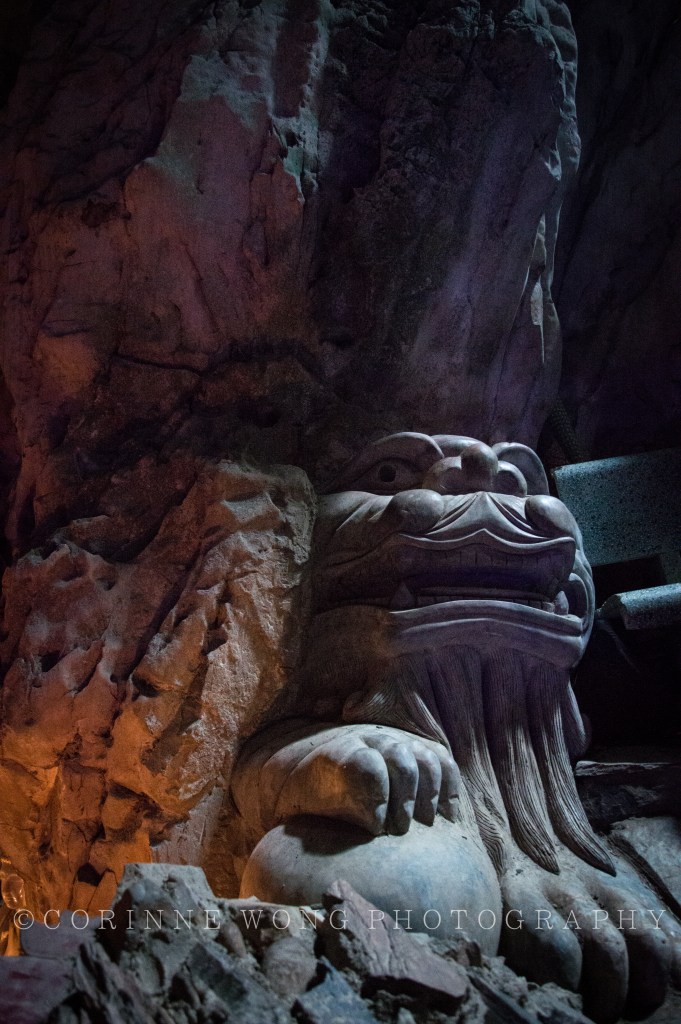
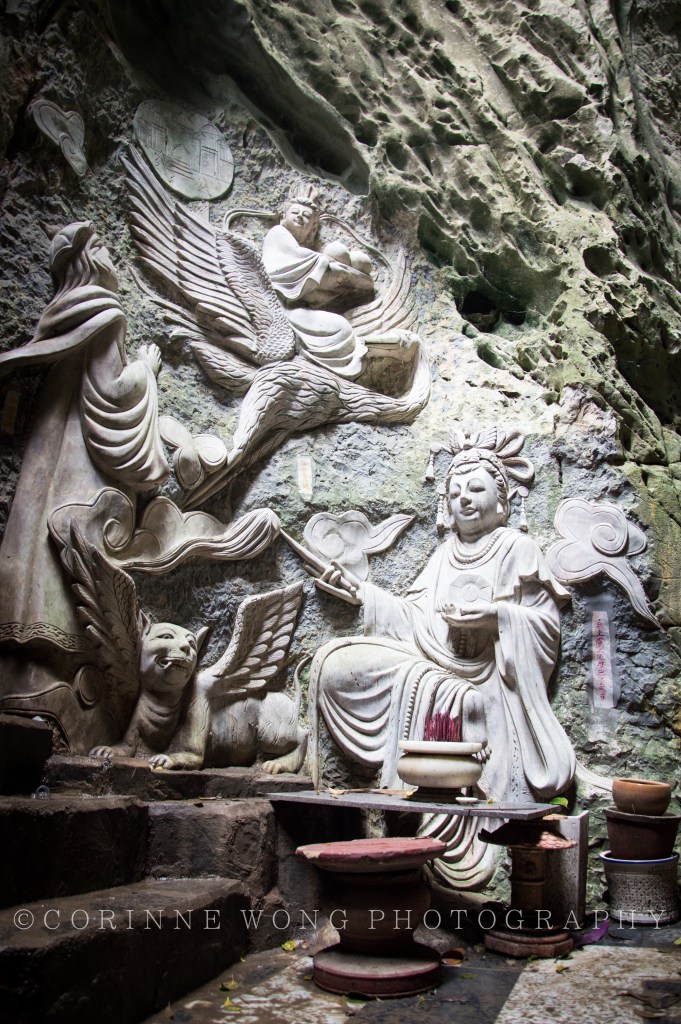
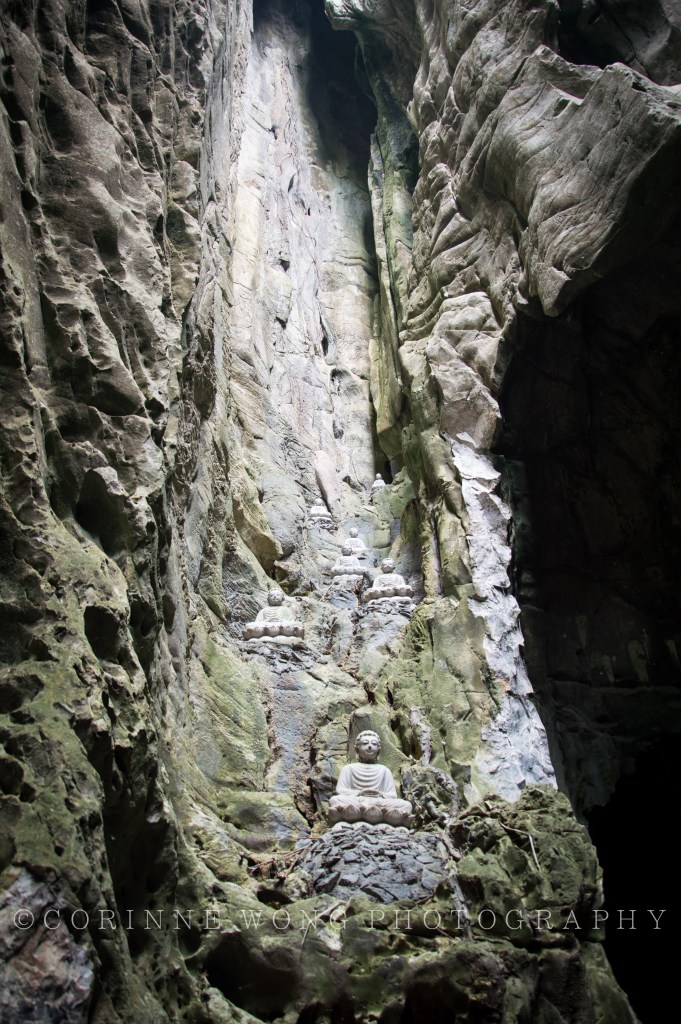
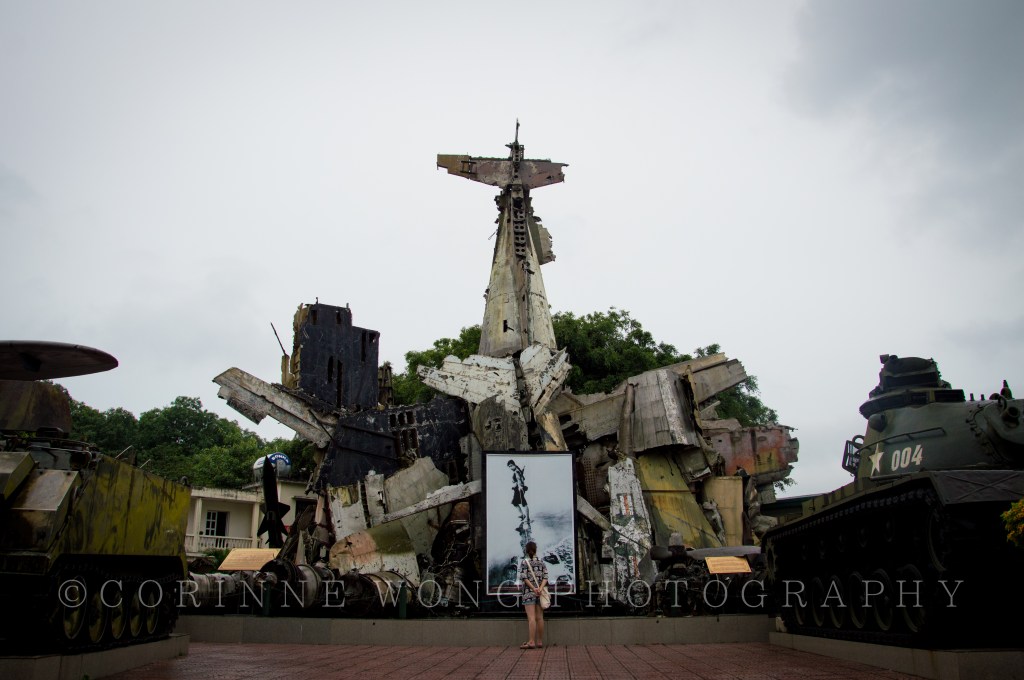
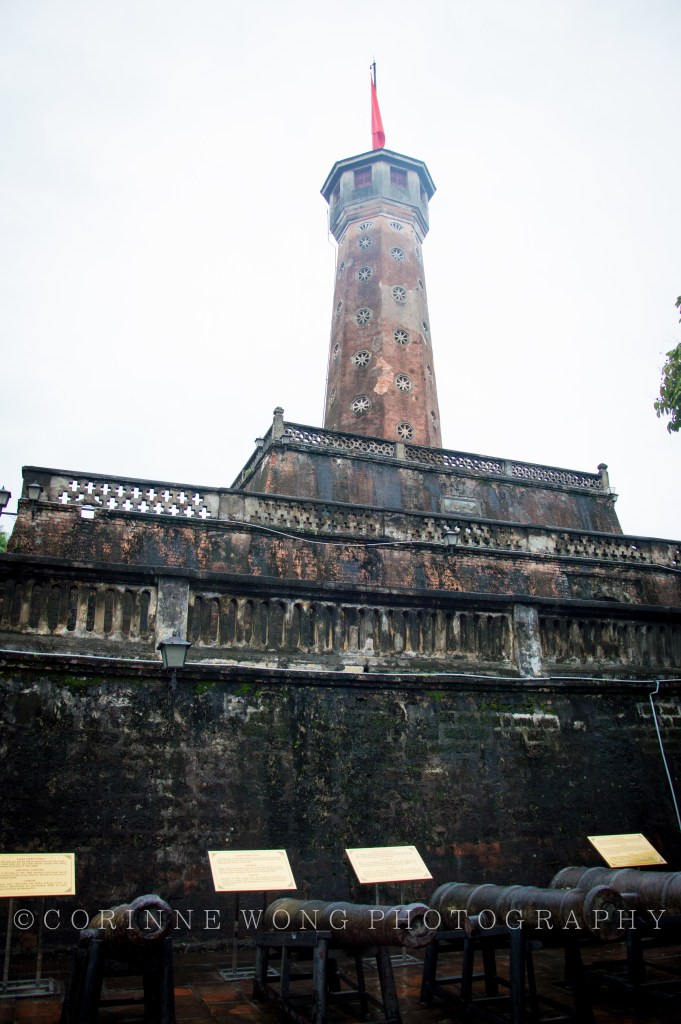
While in Vietnam, I visited the War Remnants Museum in Ho Chi Minh City. Among the many international posters displayed—most carrying some variation of “stop America, support Vietnam”—I learned about the chemical atrocities endured by Vietnamese people during the Vietnam War (or Second Indochina War). Agent Orange, one of the deadliest dioxin contaminants, was deployed by the U.S. government and ultimately killed or sickened an estimated three million people.
Even decades later, children continue to be born with severe birth defects due to generational exposure. It was a striking reminder of how biased and incomplete our education systems can be when recounting history.
(Thanks to the Veterans for Peace organization for their work in this area. To learn more about the Vietnam Agent Orange Relief & Responsibility Campaign, visit their website—or consider donating.)
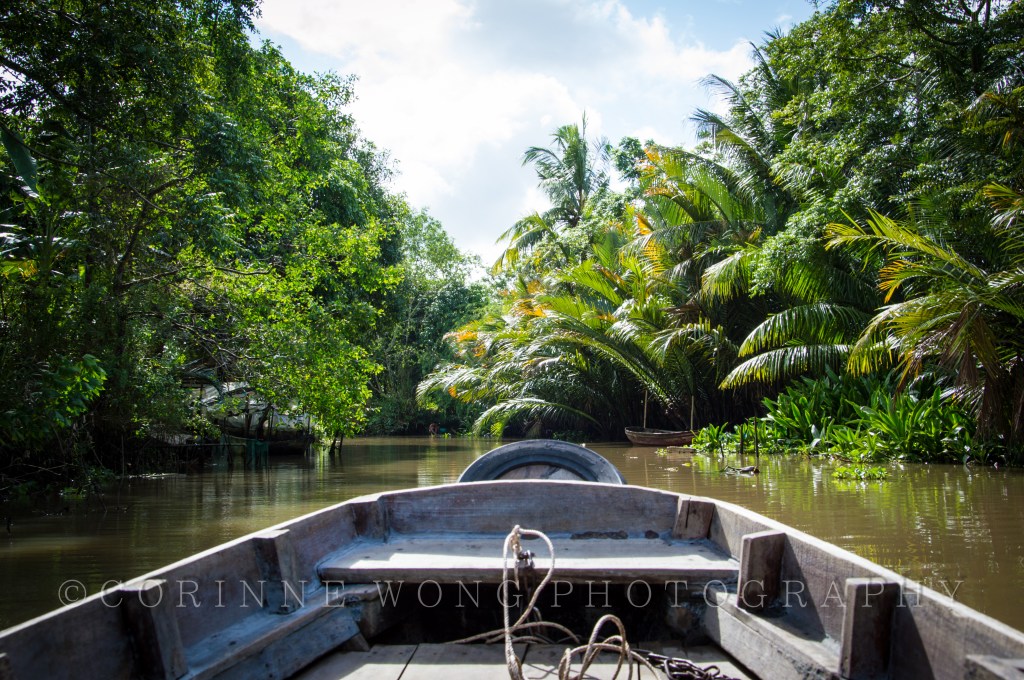
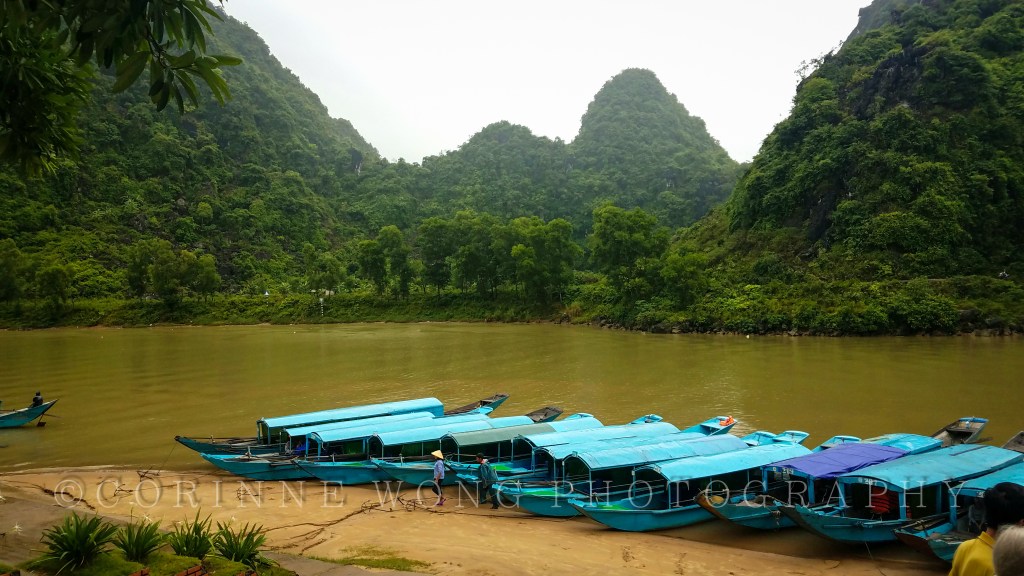
I also visited the Củ Chi Tunnels, where local villagers lived during the war and where Viet Cong guerrillas hid and launched operations. Another unforgettable stop was Phong Nha, which was the most heavily bombed region during the conflict—an estimated 19.3 million bombs were dropped there by the U.S. alone.
The Phong Nha River served as a natural dividing line between North and South Vietnam, and for years, the U.S. military couldn’t figure out how Viet Cong forces kept crossing it with weapons and troops. Every reconnaissance mission showed nothing but a peaceful riverside village: no barges, no boats, nothing suspicious.
It wasn’t until 1967—two years into the war—that the Air Force dropped hundreds of flares at night to illuminate the water. Only then did they see dozens of pontoons darting across the river with supplies and soldiers. During daylight, these pontoons were hidden inside what is now known as Phong Nha Cave, a massive grotto stretching more than a mile long on the eastern side of the village.
Because of the war, a new local friend I met on a bus to Can Tho shared his views on communism and his disagreements with America. I had never met someone so Anti-American in my life, yet he was so curious to learn more though. I’m glad that as much as he hated America, he was kind enough to take me in to have meals with his family. An experience to remember!

 Corinne Wong Photography